

























































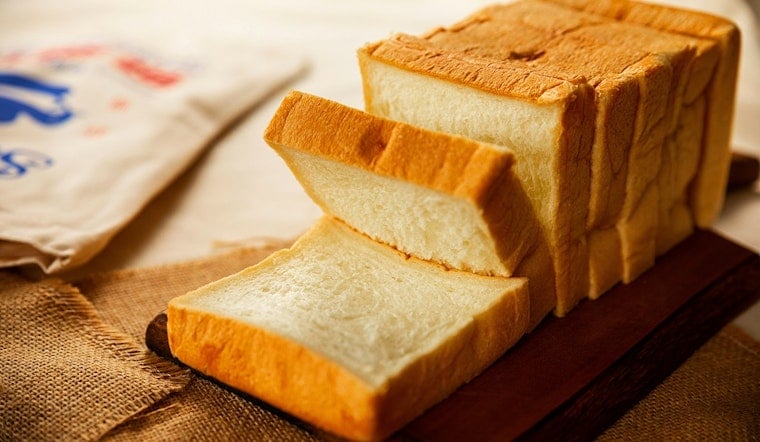
Trace amounts of glyphosate, the active ingredient in many weed killers, turned up in six of eight popular store-bought breads in state testing under Florida’s Healthy Florida First program, and it has plenty of Tampa Bay shoppers giving the bread aisle a second look. National brands appear in the state data, and the question floating around kitchen tables is simple: is that sandwich still safe? Depending on whom you ask, the answer ranges from “relax” to “ask for more details.”
What the tests found
According to the Florida Department of Health, the Healthy Florida First testing effort analyzed eight bread products and detected glyphosate in six of them. A lab table released with the report shows top readings in the low hundreds of parts per billion: Sara Lee Honey Wheat came in at 191.04 ppb and Nature’s Own Butter Bread measured about 190 ppb, with the underlying data posted by the program at ExposingFoodToxins.com. State officials say the publication of the numbers is meant to give families more transparency and to spark additional testing.
How the numbers stack up
Those parts-per-billion readings are far lower than federal limits. The EPA’s allowed residue for glyphosate on cereal grains is 30 parts per million, or 30,000 ppb, which means the state’s highest bread result is well underneath the federal ceiling, according to the Environmental Protection Agency. Fact-checkers and independent experts note that modern lab methods can pick up trace residues at ppb levels that, by themselves, do not automatically signal a health risk under current rules, as explained by PolitiFact.
Why scientists want more context
Food-safety specialists told industry publications that Florida’s report leaves out crucial context, including how samples were chosen, which labs were used, what analytical methods were run and what the detection limits were, all of which are needed to judge real-world exposure, according to Food Safety Magazine. University of South Florida toxicologist Dr. Marie Bourgeois told FOX 13 that listing results in parts per billion instead of parts per million “inflates the numbers” in the public’s mind and argued it is unlikely anyone could realistically eat enough bread to hit the EPA’s thresholds.
Industry response
Bakers, millers and wheat growers were quick to push back, arguing that the announcement “needlessly scares consumers” and stressing that EPA tolerances, along with ongoing monitoring, are designed to keep the food supply safe. The National Association of Wheat Growers, the North American Millers’ Association and the American Bakers Association said the detected glyphosate residues in the tested breads do not pose a health risk, according to their joint statement at wheatworld.org.
What Tampa shoppers should take away
Federal agencies continue to track pesticide residues in foods, and so far neither the EPA nor the FDA has issued recalls tied specifically to the Florida bread tests. Shoppers who still want to dial down their potential exposure can reach for certified organic loaves, where glyphosate use is prohibited, or ask manufacturers for more details on grain sourcing. The FDA explains how glyphosate residues are regulated and monitored. For now, experts say the raw numbers from Florida are hard to interpret without more lab detail, even if they are enough to spark some serious side-eye toward the toaster.





