

























































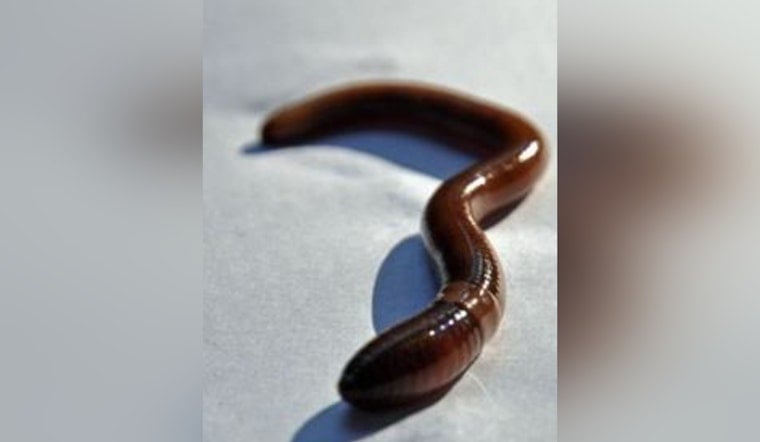
Jumping worms are showing up across the Willamette Valley, and gardeners along with forest managers are watching their leaf litter and topsoil disappear, replaced by a dry, granular “coffee‑ground” layer. The invasive worms thrash and wriggle violently when disturbed and can alter soil structure in short order, which researchers say can make beds harder to rewet and stunt young plants.
Local media and extension staff say reports have ramped up this spring, triggering new outreach to home gardeners and plant sellers. As reported by OPB, scientists are urging people to carefully inspect potted plants and mulch, while Oregon State University Extension has posted detailed guidance on how to identify the worms and slow their spread.
What To Look For
Jumping worms (Amynthas spp.) are stout, smooth‑bodied earthworms with a milky‑white clitellum that completely encircles the body, and a reputation for dramatic, writhing “jumps” when handled. They leave behind a distinctive, dry, coffee‑ground layer of castings that changes soil texture and chemistry, according to Oregon Sea Grant.
Where They’ve Shown Up In Oregon
Extension staff say recent sightings have been reported from towns across the valley, including McMinnville, Salem, Eugene, Corvallis and Clackamas, with additional reports still being evaluated. State listings indicate the earliest confirmed detection in Oregon came from the Grants Pass area in 2015–2016, which officials say suggests the worms likely arrived over several years in plant or compost shipments, according to the Oregon Department of Agriculture.
How They Spread And What To Avoid
Experts report that jumping worms and their tiny cocoons spread easily in mulch, potting mix, compost and nursery stock, and they can hitch a ride on tools, boots and vehicles. That means hauling untreated bulk mulch or trading plants with soil still clinging to the roots carries real risk. Once these worms are established, they are extremely difficult to remove, according to the California Department of Food and Agriculture.
Management Options And Where To Report
There is currently no reliable chemical fix for a well‑established jumping worm infestation, so prevention and containment are the primary strategies. Research from the UW Arboretum shows that worm cocoons can be killed by sustained heat of roughly 104°F (40°C) for several days, and many extension guides now recommend buying only heat‑treated compost or mulch. Suspected finds should be reported through the Oregon Invasives Hotline so officials can document and map new infestations.
Gardeners are urged to inspect root balls carefully, keep new mulch on an impervious surface so it can heat up, and avoid moving soil between properties. For more local coverage and expert photos of the worms and their telltale castings, see OPB.





