

























































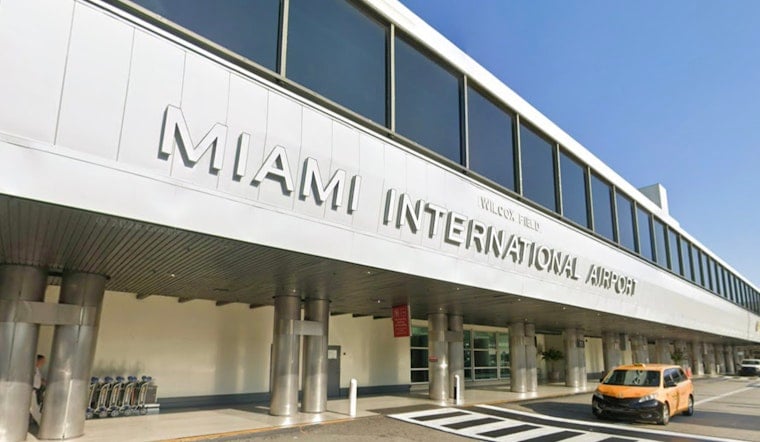
An American Airlines flight from San Juan to Charlotte made an unplanned stop in Miami on Tuesday morning after turbulence left one passenger injured, turning a routine hop into a surprise detour. The jet landed safely at Miami International Airport around 10 a.m., where Miami‑Dade Fire Rescue crews were waiting on the tarmac. The injured traveler was evaluated and treated at the scene, according to officials.
As reported by local outlet WSVN, 7Skyforce cameras captured the American Airlines plane parked on the runway, surrounded by fire rescue trucks after landing. The flight had departed Luis Muñoz Marín International Airport in San Juan and was headed for Charlotte when the rough air hit. WSVN noted that it requested comment from American Airlines.
Onboard Turbulence And What It Means
Turbulence remains the leading cause of in-flight injuries on commercial jets, especially for people who are up and walking around or not wearing a seat belt. When someone on board needs medical attention or the cabin environment becomes unsafe, crews will divert, just as they did in this case. The NTSB has found that many turbulence incidents involve flight attendants and unbelted passengers, and the agency has pushed for better turbulence forecasting and refined crew procedures. The goal is simple: cut down the number of people getting hurt when the ride suddenly turns rough.
How Passengers Can Reduce Risk
The Federal Aviation Administration has a standing piece of advice that sounds basic but matters a lot: keep your seat belt fastened whenever you are seated and listen to crew instructions. That habit is still the single best defense against surprise turbulence. According to the FAA, tools like turbulence nowcasts and pilot reports help crews steer around the worst patches, but unexpected bumps can still kick up with little warning, so staying buckled in is the simplest protection. Those chimes, announcements and seat-belt signs exist to prevent exactly the kind of injuries first responders were checking on at Miami International.
It was not immediately known whether the aircraft continued on to Charlotte after everyone on board was assessed. WSVN reported that crews treated the injured passenger on the tarmac while airport medics stood by. Miami International is a common diversion point for flights to and from the Caribbean, and airport emergency teams routinely coordinate with airlines to handle medical calls quickly.
Travelers flying between the Caribbean and the U.S. mainland this week are advised to monitor their flight status with their carrier and to follow crew directions if bumpy conditions are expected. This story will be updated if American Airlines or Miami‑Dade Fire Rescue release additional details.




