

























































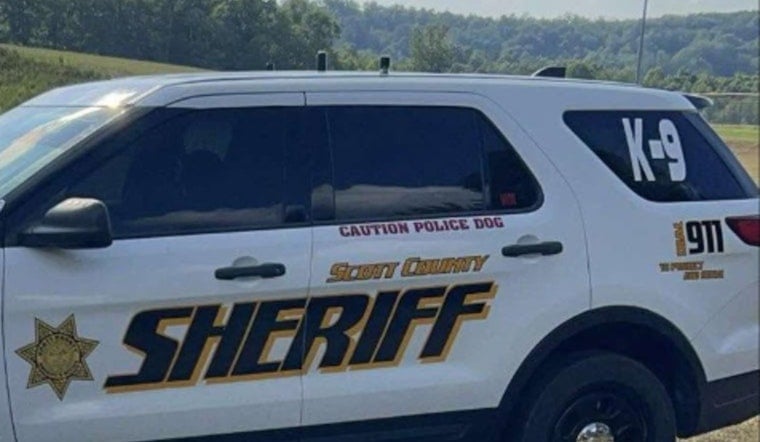
A Tennessee Peace Officer Standards and Training (P.O.S.T.) review found that an uncertified Scott County deputy was assigned to serve as a school resource officer for several months, and it did not stop there. Investigators also flagged broad problems with training and record keeping inside the sheriff’s office, including missing rosters for department training events, deputies credited for courses they never attended, and corrections officers working court security without documented court-security instruction. The findings have led to follow-up meetings with state regulators and a pledge from the sheriff’s office to tighten up its training program.
The probe, which opened after a complaint, determined that the uncertified deputy had been placed in a school resource officer role to help cover staffing shortages, according to WATE-6 On Your Side. The outlet reported that the P.O.S.T. investigator said the sheriff and chief deputy "were totally transparent" during the review and that, once informed that uncertified placement was not allowed, the office reassigned the school post to a certified deputy. WATE-6 also reported that the sheriff's office told investigators it would pursue the training needed for court-security duties.
What P.O.S.T. Requires And Why Records Matter
The Tennessee P.O.S.T. Commission sets minimum certification and in-service training standards for local law enforcement and certifies the instructors and lesson plans that agencies use across the state. Tennessee P.O.S.T. requires departments to document lesson plans and attendance, since those records are the proof that officers actually completed required hours and specialized courses such as school-safety or court-security training.
Investigators Cite Specific Training Shortfalls
The investigator's report, summarized by WATE-6, found missing rosters for multiple training events and at least six deputies who were listed as having completed a 24-hour DUI school they did not attend. Reviewers also noted corrections officers assigned to court security without the proper training, and said the department's general departmental instructor resigned while the review was underway. One deputy told investigators he had missed an eight-hour training day because of illness and later took a test so he could receive credit and a salary supplement, according to the report.
Oversight, Next Steps, and Why It Matters Locally
State guidance says a department's general departmental instructor is supposed to approve instructors and maintain the training records for in-service courses, a role that helps P.O.S.T. verify whether officers hit the 40-hour annual requirement. CTAS notes that accurate records and certified instructors are central to those duties. P.O.S.T. staff told the local station they plan follow-up conversations with the former instructor and may refer issues to other state oversight bodies where appropriate.
For Scott County, the fallout is immediate and very local. The sheriff's office has said it will correct the training shortfalls and ensure court-security staff receives proper instruction, and P.O.S.T.'s review will likely leave a paper trail that regional officials can use to confirm that happens. Residents and local leaders told the station they want clearer records and faster fixes, and state regulators say their next step is to verify that the county follows through on the corrective measures outlined in the report.





