

























































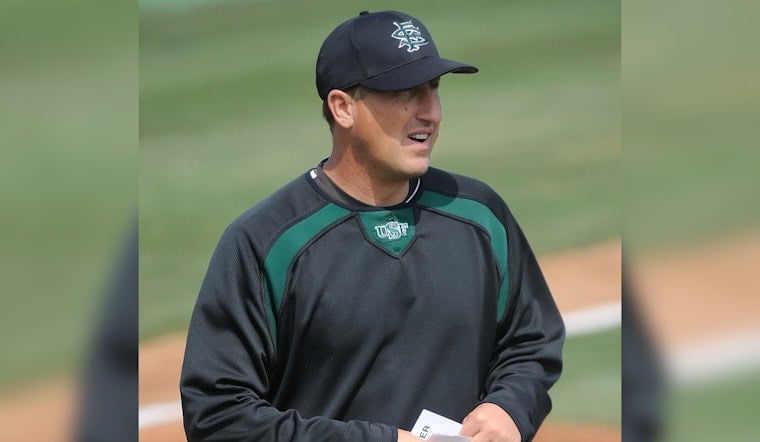
The long-running legal fight over the University of San Francisco baseball program has taken a sharp turn, with USF and two former coaches asking a federal judge to sanction several of the players who sued them, accusing some of giving false answers under oath.
In a joint motion filed in U.S. District Court, lawyers for USF and former coaches Nino Giarratano and Troy Nakamura are seeking sanctions against seven of the plaintiffs. The filing argues that those players gave false interrogatory answers and, in some instances, changed their deposition testimony after improper coaching. According to the San Francisco Chronicle, the motion claims several plaintiffs recanted, qualified, or contradicted statements they had certified under penalty of perjury and asks the court to impose sanctions tailored to those alleged discovery problems.
The case, which began in March 2022, has ballooned into a complex discovery slog. A federal discovery order filed April 4 shows just how much it has expanded: Does 15–19 were added in 2025, bringing the total to 19 John Doe plaintiffs, and fact discovery is now scheduled to run through Sept. 1, according to USCourts.gov. That same order describes massive document production by USF and directs targeted searches of Board materials, underscoring how central the paper trail has become as both sides posture for trial.
The lawsuit started when three former players sued in March 2022, alleging the coaches created an intolerable sexualized environment in the baseball program. Early coverage and court filings detailed graphic accusations and led to personnel moves at the university. For background on the original complaint and USF’s initial response, see reporting by ESPN.
What Sanctions Could Mean
Sanctions motions like this can draw on a mix of federal rules and carry a wide range of consequences. Depending on what a judge finds, the court may award attorney fees, order new or more specific discovery responses, strike parts of a party’s pleadings, or, in extreme cases, enter orders that effectively decide issues or even the whole case.
Federal rules spell out how judges police discovery and sworn statements, and how remedies are supposed to match the seriousness of any misconduct. The U.S. Courts provide the Federal Rules of Civil Procedure, which detail the tools available for discovery and pleading sanctions.
Next Steps
The sanctions motion raises the temperature as discovery rolls on. Plaintiffs’ lawyers have pushed back, insisting the core allegations are backed up and casting the sanctions bid as a sideshow.
In an emailed statement to the San Francisco Chronicle, plaintiffs’ attorney Beth Fegan said USF had already substantiated key facts in 2021 and 2022 and that witnesses repeatedly admitted those facts under oath. The Chronicle reports that the parties are due back in court later this summer.
For now, the case turns on more than just who remembers what from the dugout. Judges and lawyers will have to sort out whether any false statements were made, whether they were material to the claims, and whether sanctions are the right fix as the lawsuit grinds its way toward an eventual trial date.




_(cropped).jpg)