

























































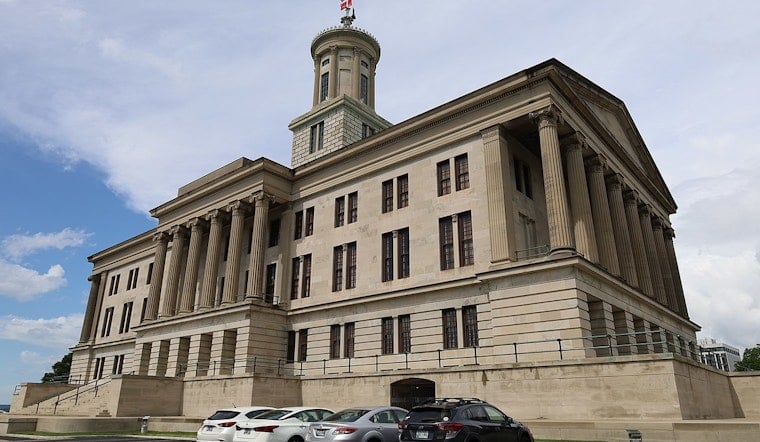
Crypto ATMs across Tennessee are living on borrowed time. The state will outlaw the machines statewide starting July 1, 2026, after lawmakers moved to shut down a payment channel that scammers have leaned on again and again. The new law reclassifies the devices often labeled Bitcoin or crypto ATMs as prohibited “virtual currency kiosks,” and it arrives as federal complaint data show a sharp spike in kiosk-related losses. State and local officials say the goal is simple, if not easy: cut off one of the favorite tools used in phone scams that target older Tennesseans and end at a kiosk.
What the law does
House Bill 2505 spells out what counts as a "virtual currency kiosk" and makes it an offense "to operate a virtual currency kiosk in this state," treating violations as a Class A misdemeanor. The statute, which takes effect July 1, 2026, applies both to kiosk operators and to businesses that knowingly host the machines on their property. For the enacted language and definitions, see the bill text from the Tennessee General Assembly.
Fraud numbers that pushed lawmakers
Lawmakers did not move in a vacuum. Federal complaint data show why they acted. The FBI’s 2025 IC3 report lists 13,460 complaints tied to cryptocurrency ATMs and kiosks nationwide, with about $389 million in reported losses. The same IC3 files show Tennessee logged roughly $142 million in cryptocurrency-related losses in 2025. Local investigators who filtered IC3 records for kiosk transactions found roughly $15 million of those losses tied specifically to crypto ATMs in Tennessee last year, a figure reported by WREG and summarized in the FBI IC3 2025 report: FBI.
Local enforcement and reaction
On the ground, Mid-South law enforcement agencies are already treating the law like a standing work order. The Shelby County Sheriff's Office says it is coordinating with the district attorney's office to pinpoint kiosk locations, and Sheriff Floyd Bonner has called the measure a step to "protect Shelby County residents" and "a stern message to fraudsters." A Memphis police spokesperson said officers will investigate complaints and deal with violations when they find them on patrol, while Cumberland County Sheriff Casey Cox noted that deputies are increasingly coming across kiosks tied to scams that zero in on seniors. Those reactions and local examples were reported by WREG.
Who this affects - stores, operators, and seniors
Consumer advocates point out that these kiosks are not tucked away in tech hubs. They tend to show up in everyday spots like convenience stores, pharmacies, and small neighborhood retailers, which makes it easy for a scammer on the phone to walk a panicked victim straight from their wallet to the machine in a matter of minutes. AARP Tennessee has highlighted how that placement puts older residents at particular risk and has backed stronger protections for older consumers.
Operators and the businesses that host kiosks now face a short compliance window to remove or deactivate machines before July 1. National reporting has outlined how removal, notice, and enforcement are expected to roll out over the next two years. For details on consumer guidance and industry reaction, see AARP Tennessee and coverage by Cointelegraph.
How to protect yourself
Federal authorities stress a simple rule of thumb that could save a lot of heartburn: if someone pressures you to rush to an ATM-like machine, pull out cash, and feed it into a crypto kiosk, treat that as a massive red flag. Scammers often instruct victims to scan a QR code or authorize an instant crypto transfer on the spot. Once the transaction is done, the money is usually gone for good.
The FBI recommends stepping back, hanging up, and verifying the caller or message through a separate contact method before moving any money. If you suspect fraud, file a complaint with the Internet Crime Complaint Center (IC3). If you think you or a relative has been targeted, contact local police right away and consider submitting an IC3 report as described in the FBI's IC3 annual report: FBI.
Legal penalties and next steps
Because the offense is labeled a Class A misdemeanor under the enacted bill, kiosk operators or business owners who knowingly keep machines running after the July 1 effective date could face criminal charges. Store owners are being urged to document when and how they remove kiosks or terminate contracts, so they can show good-faith compliance if questions arise. Local prosecutors will ultimately decide how aggressively to pursue cases under the new statute. For the exact statutory language and timeline, see the enacted bill text from the Tennessee General Assembly.
The July 1, 2026, deadline is coming into view, and the new rules will reshape how cash turns into crypto inside Tennessee. If you see suspicious behavior at a kiosk or suspect a scam in progress, contact local law enforcement and consider filing a complaint with IC3 so investigators can track patterns and, in some cases, move quickly enough to recover funds.





