

























































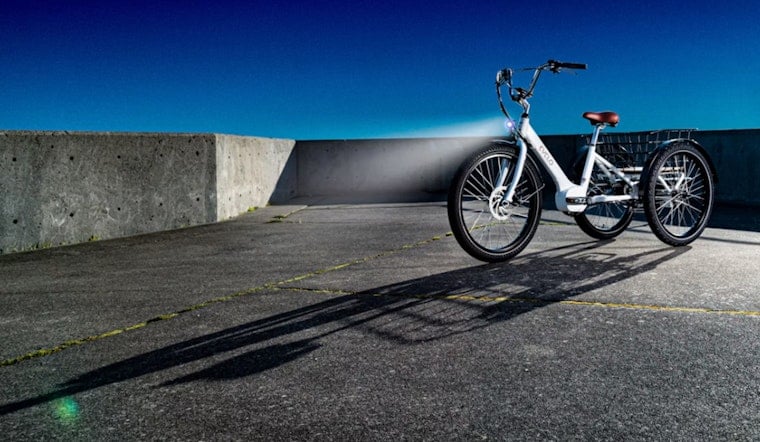
Starting next Thursday, June 11, Washington will tighten the legal line between e-bikes and higher powered electric rides. If your machine has no working pedals, carries a motor rated at more than 750 watts, or can top 20 mph on motor power alone, the state can treat it as an electric motorcycle instead of an e-bike. For some riders who thought they simply owned a bike, that shift could mean new requirements for registration, insurance and a motorcycle endorsement.
What the law changes
The Legislature has narrowed the definition of an e-bike, and those changes take effect June 11, according to FOX 13 Seattle. As laid out by the Washington state legislature, an electric assisted bicycle must:
- Have fully operable pedals
- Use a motor rated at no more than 750 watts
- Not be capable of going over 20 mph on motor power alone
Anything that fails even one of those conditions can be treated as an electric motorcycle instead of an e-bike. That also includes devices sold or designed so they can be easily reconfigured to exceed those limits, according to the legislative documents.
Who this affects
Rental fleets, teens on throttle heavy “e-motos” and parents whose kids zip around the neighborhood on electric gadgets are among the riders most likely to feel the impact. Coverage in The Spokesman-Review quotes law enforcement and safety advocates who say pedal free, overpowered machines have been turning up in parks and near schools and have heightened the risk of crashes. Police in some areas say the clearer legal definition should make it easier to cite, impound or otherwise deal with machines that are effectively being used as motorcycles on streets and sidewalks.
Licensing and enforcement
Once a vehicle is legally considered a motorcycle, the operator must carry a driver’s license with a motorcycle endorsement to ride it on public roads, according to the Department of Licensing. The DOL outlines the permit and endorsement process, including training and testing options that lead to the endorsement.
Local police and state agencies are expected to lean on those existing licensing, registration and equipment rules when deciding whether a specific electric ride needs a license plate, an insurance policy or a DOT approved helmet.
Practical steps for riders
Riders are being urged to start with the basics. Check the permanently attached label on your bike for its class, maximum assisted speed and motor wattage, and look through the owner’s manual to see whether the throttle alone can push the bike past the 20 mph threshold. The WSDOT says that label is required and warns that tampering with the bike or modifying it can strip away the protections that come with e-bike status.
If your ride fails the tests in the new law, state officials say you should not treat it like a bicycle on public roads. Instead, be ready to pursue a motorcycle endorsement, registration and insurance if you plan to keep using it on the street.
What's next
The bill also creates a multi agency work group that will study enforcement, equipment standards and penalties for younger riders, then report recommendations to lawmakers by Dec. 15, 2026, according to the legislative analysis. Washington state legislature documents say the group will include transportation and safety officials and could lead to further rulemaking.
Riders, schools and rental fleets are being advised to watch for guidance from state agencies and local police as the new definitions roll out and enforcement practices take shape in the months ahead.



