

























































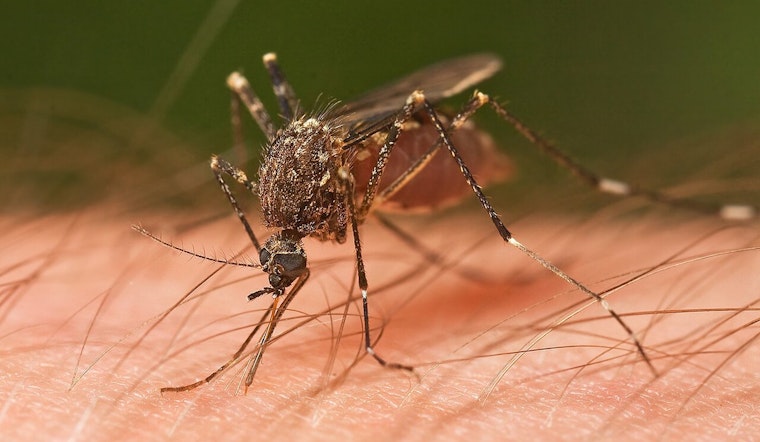
Chicago's mosquito season just got a little more serious. City health officials confirmed this week that routine trapping has turned up the first batch of West Nile virus positive mosquitoes of 2026, even though Illinois has not yet recorded any human cases this year.
BREAKING: CDPH has confirmed the first West Nile virus (WNV)-positive mosquitoes in Chicago in 2026. No human cases of WNV have been reported in Illinois this year. For more information on how to protect yourself from mosquito bites and WNV, visit: https://t.co/lJCm92dowm https://t.co/tq7GCXN92U
— Chicago Department of Public Health (@ChiPublicHealth) June 12, 2026
The Chicago Department of Public Health (CDPH) said the positive batch was detected through the city's mosquito surveillance program, which relies on traps and lab testing of mosquito "pools" to watch for West Nile and other mosquito-borne diseases. The city publishes details on how mosquitoes are collected, tested and reported, along with neighborhood-level prevention steps, via its mosquito-borne disease guidance, according to Chicago Department of Public Health.
What officials are advising
Health officials are again rolling out the familiar summertime script: dump standing water, cover up and spray up. Residents are urged to get rid of water that collects in buckets, planters, gutters and other containers, and to keep grass and weeds trimmed so adult mosquitoes have fewer shady spots to lurk. CDPH also recommends loose-fitting, light-colored long sleeves and pants between dusk and dawn, plus an EPA-registered insect repellent whenever you are outdoors, according to Chicago Department of Public Health.
State surveillance and human cases
Statewide numbers are quieter so far. The Illinois Department of Public Health's surveillance dashboard still shows zero reported human West Nile cases in Illinois this year, while tracking non-human detections such as mosquito batches and birds. Officials caution that reporting lags are common and that totals are updated as new lab results are processed, according to Illinois Department of Public Health.
Suburban detections and what that means
The suburbs are already seeing activity. DuPage County confirmed its first West Nile positive mosquito pools from specimens collected on May 12 and responded by raising its local risk index. County health officials note that mosquito detections often show up before human cases do and are a signal for residents to step up efforts to reduce standing water and other mosquito habitat on their property, per the DuPage County Health Department.
How West Nile spreads and who is at risk
West Nile virus spreads when Culex mosquitoes feed on infected birds and later bite people. It is not spread from person to person. Many infections cause no symptoms at all, and some lead only to a mild fever or flu-like illness. Older adults and people with weakened immune systems face a higher risk for severe neuroinvasive disease, according to CDC.
How to protect yourself
To cut down on bite risk, officials say to drain standing water from anything that can collect it, keep gutters and drains clear and make sure window and door screens are in good shape. When you head outside, especially at dawn and dusk, use an EPA-registered repellent and wear long sleeves and pants. Keeping yards mowed and shrubs trimmed also helps, guidance the city underscores for both homeowners and renters, according to Chicago Department of Public Health.
City surveillance teams plan to keep trapping and testing mosquitoes throughout the season and will push out updates through official channels if additional positive pools or any human cases are identified. For now, the message from health officials is simple, if not exactly soothing for summer: stay vigilant, report dead birds and unusual mosquito activity to local public health authorities and do what you can to make your block a little less comfortable for the bugs.





