

























































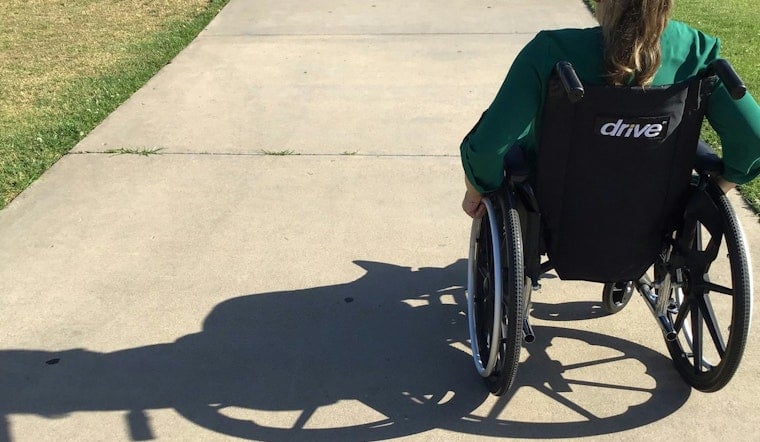
For four Chicago residents with mobility disabilities, getting around town can feel less like a simple errand and more like running a gauntlet. They say cracked sidewalks, missing or misbuilt curb ramps, and overgrown pathways routinely push them into the street or onto exhausting detours. Their federal class-action lawsuit has now put the condition of Chicago’s 7,400‑mile public right‑of‑way in front of a judge.
What the lawsuit says
The complaint, filed in September 2025, was brought by Disability Rights Advocates and Latham & Watkins on behalf of the four plaintiffs. It argues that Chicago regularly fails to build and maintain accessible sidewalks, curb ramps and alternate routes. According to Disability Rights Advocates, the suit asks the court to order concrete fixes and a coordinated maintenance system, instead of what advocates describe as the city’s current reactive, complaint‑driven model.
City asks court to dismiss most claims
In February, the city’s Law Department pushed back. A motion to dismiss filed on Feb. 13, 2026, asks the court to throw out broad, systemwide challenges to Chicago’s network of sidewalks and crosswalks, according to the court docket. City attorneys argue the plaintiffs have not plausibly claimed they intend to use the entirety of the public way and say the lawsuit misreads federal accessibility rules. Both sides are now waiting to see how the judge handles those early legal questions.
Plaintiffs describe daily hazards
The plaintiffs say this is not a theoretical policy debate. It is about staying upright and out of traffic. Plaintiff Cherlnell Lane described falling when a damaged crosswalk failed while she was in her motorized wheelchair. "Stuff like that gives you PTSD, it scars you," she told WTTW News.
311 audit shows the system is strained
Advocates point to the city’s own data to argue that the repair system is overwhelmed. The complaint cites more than 20,000 sidewalk‑related 311 tickets that have been open at least a year and over 6,000 that have been open more than three years. A review by the City of Chicago Office of Inspector General found that 311’s public platforms “contribute to public confusion and distrust” and that limited staffing makes it hard to analyze and resolve requests efficiently. The OIG report lays out detailed suggestions for more transparency and additional staff.
City says it is installing more signals
The Chicago Department of Transportation, for its part, highlights work underway on Accessible Pedestrian Signals. CDOT says it has accelerated APS installations and now has projects at about 160 intersections in various stages of design, procurement or construction, with multiple intersections completed in the past year. The agency says more signals are planned across neighborhoods as part of a larger effort to make signalized crossings easier to use for residents who are blind or have low vision.
Legal stakes and what comes next
If the court lets the core claims proceed, the plaintiffs could seek class certification and a sweeping remedy that would influence how Chicago prioritizes and funds sidewalk work. The city has been down a similar road before. Court records in an earlier case show that a 2005 federal class‑action settlement led to a major curb‑ramp program and a pledge of $50 million for curb ramp and sidewalk improvements. A separate, earlier case over accessible pedestrian signals is still under the eye of a court‑appointed monitor, and Disability Rights Advocates says the monitor’s first progress report is due July 1, 2026.
For now, both sides are waiting on the judge’s next move while they continue to argue over technical and procedural issues that could shape the pace of any fixes. However the ruling lands, advocates say the case has laid bare how something as basic as sidewalk maintenance can function as a civil‑rights issue for people with disabilities.



