

























































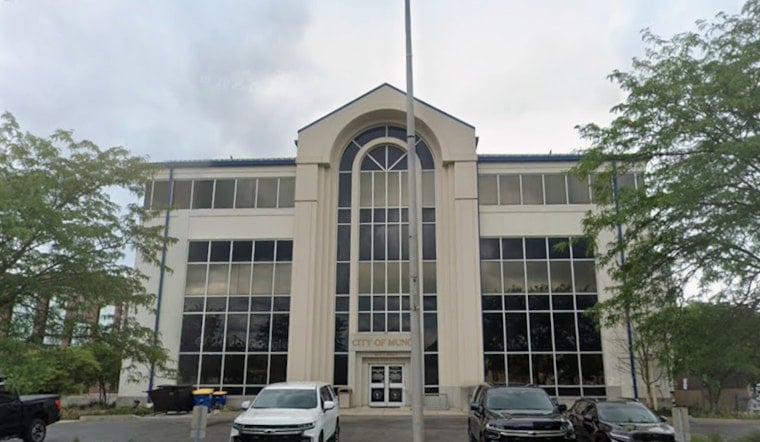
Muncie’s acting mayor, Jeff Howe, pulled the plug on Ordinance 13‑26 on July 14, issuing a veto that froze a council‑approved plan for a McKinley neighborhood overlay district. The move, delivered on Howe’s final day in the acting role, stopped an ordinance the council had adopted unanimously earlier this month and left neighborhood advocates and councilmembers scrambling for next steps. Unless the council musters the votes to override, the measure will not become law.
How the veto unfolded
The City Council voted 8–0 to adopt Ordinance 13‑26 on July 6, suspending its usual rules so members could take it up and pass it the same night it was introduced. Supporters said the fast‑track was meant to secure a neighborhood plan that had been in the works for months. The proposal would add neighborhood‑specific design standards, streetscape rules and sustainability provisions over parts of McKinley to steer future infill and redevelopment. That accelerated timeline set up the mayoral intervention, as reported by GatherGov.
Why Howe says he vetoed it
Howe has said he backs the overlay’s overall goals but objected to how it moved through City Hall. He told officials he received the final proposal only days before the vote and flagged the council’s plan to suspend normal rules to adopt it on first reading. In his veto letter he outlined three recommended revisions: avoid conflicts with the city’s design manual, ensure compliance with the city’s sustainability provisions, and tighten up unclear language. Those concerns, and the timing of the package, were detailed in reporting by Ball State Daily News.
Local reaction and political fallout
The response at City Hall and in the neighborhood was swift and skeptical. Council President Nora Powell said she was confused by the veto and posted supporting letters and screenshots on social media, while supporters urged the council to move quickly to sort out the impasse. The episode has fueled brisk debate on local talk shows and podcasts, where hosts have described the move as a rare executive check that could change how Muncie handles housing and design rules. The back‑and‑forth has been featured on local political programs, including The Political Spotlight.
What the overlay would have done
The McKinley overlay would have carved the neighborhood into subareas, each with tailored standards for building form, materials, lighting and streetscape elements. Supporters argued those details were meant to protect neighborhood character while still allowing carefully scaled new housing. The draft also included sustainability provisions and guidance for mixed‑use parcels along key corridors, which backers said would encourage compatible redevelopment. The ordinance text and meeting notes that spell out those standards are summarized in local development coverage, as reported by GatherGov.
Next steps and the legal bar
Councilmembers can attempt to override the veto, and posts from council sources suggest the measure could be taken up again at an August 3 meeting, though the outcome is far from certain. Under standard municipal veto rules, a defeated ordinance can only become law if the council passes it again by a two‑thirds vote at the next properly convened meeting, a high bar that gives the executive side of city government considerable leverage. The wider backdrop matters here: Mayor Dan Ridenour had been on medical leave earlier this summer, and local reporting described Jeff Howe’s role during that period, which shaped how residents and officials interpreted the timing of the veto. The veto‑override process and its vote requirement are reflected in municipal practice and guidance, per local coverage from Indiana Public Radio.
For now, the McKinley overlay is in limbo. The council must decide whether to push for an override, rework the ordinance to address the mayor’s technical objections, or reopen public deliberations altogether. For neighbors who spent months in charrettes and public meetings, the pause is a pointed reminder that even near‑consensus planning work can still be stopped at the last minute by a single executive decision.





