

























































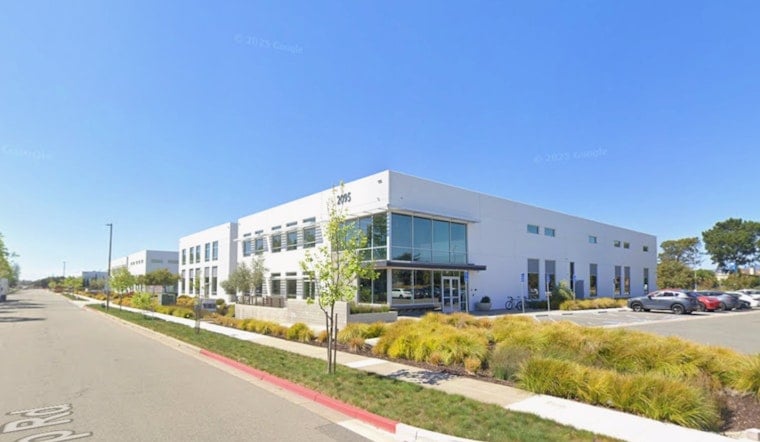
Alameda-based Anthro Energy says it is finally stepping out of the lab and into small-scale manufacturing as it chases mass production of a new battery electrolyte. The startup is pitching a liquid-to-solid material that it says can make cells safer and pack in more energy without forcing automakers to rip up existing factory lines. Local officials and federal agencies are already lining up behind the effort while Anthro tries to prove that the chemistry still works when it leaves the prototype stage.
How Proteus Works
Anthro's flagship product, branded Anthro Proteus, starts as an injectable liquid that the company says chemically solidifies into a rubbery polymer inside the cell during formation, creating a structural, non-flammable electrolyte, according to Anthro Energy. The company describes Proteus as a drop-in solution that can run on existing gigafactory equipment and says lab tests show reduced swelling, lower short-circuit risk, and longer cycle life.
Independent industry validation is still in progress as partners and potential customers put the material through multi-step qualification programs. In other words, the pitch sounds promising, but the verdict in the real world is still pending.
Alameda Plant And Early Scale-Up
Anthro opened a combined small-scale manufacturing and R&D facility in Alameda in 2025 and now employs about 50 people locally, according to the San Francisco Examiner. The Examiner reported that the company is targeting output of roughly 500,000 batteries a year and about 100 tons of its Proteus electrolyte at the site by 2027 as it shifts from prototyping to commercial supply.
The Alameda building also serves as Anthro's headquarters and a customer-facing test line, a setup first detailed by the San Francisco Business Times. For now, it is more pilot lab than sprawling factory, but it is where Anthro plans to show that its materials can be made consistently, not just in beakers.
Federal And State Money On The Table
The startup has secured phase approval on a $24.9 million Department of Energy award that Anthro says will unlock construction of a full-scale electrolyte plant, and it has also landed a roughly $5.5 million PowerForward grant from the California Energy Commission to expand production in Alameda, per a company release, coverage by Charged EVs, and agency filings. The DOE funding comes through a broader federal push under the Bipartisan Infrastructure Law to grow domestic manufacturing of battery materials.
The state support runs through the CEC's PowerForward program, which documents Anthro's CPAB-ZEV project in Alameda; see the California Energy Commission grant request form for details. Together, the federal and state checks are a strong signal that policymakers want this technology to scale on U.S. soil.
Why It Matters Beyond Alameda
Electrolyte production is still a choke point in the battery supply chain, industry analysts warn, with much of the capacity concentrated in Asia. That makes domestic plants strategically important for U.S. manufacturers and defense customers that do not love betting their supply chains on overseas chemistry.
A recent analysis by the Carnegie Endowment for International Peace and a review by the Congressional Research Service both highlight the geopolitical and industrial stakes of cutting import dependence for key battery components. If Anthro's Proteus holds up at scale, it could give U.S. cell makers another option besides imported electrolyte as they qualify parts for electric vehicles and grid storage systems.
Plans For A Bigger Plant And Cell Partnerships
Anthro has also flagged plans for a full-scale electrolyte plant in Louisville, Kentucky. State officials say the facility could produce more than 12,000 metric tons of electrolyte annually and create roughly 110 jobs, according to the Kentucky Cabinet for Economic Development. It is a big jump from the Alameda pilot and would mark Anthro's move into true bulk production.
The company has announced a master memorandum of understanding with EnPower to co-develop lithium-ion cells built around Proteus, an arrangement Anthro says could help enable a vertically integrated U.S. cell supply chain, according to company statements in press filings. On paper, the Alameda pilot and the planned Kentucky plant together are meant to trace a path from new chemistry ideas to full cell manufacturing in the United States.
For now, Anthro's Alameda operation remains a small, high-tech pilot. The next 18 months of hiring, testing, and partner validation will determine whether Proteus can make the leap from promising lab material to a workhorse of commercial battery production.




