

























































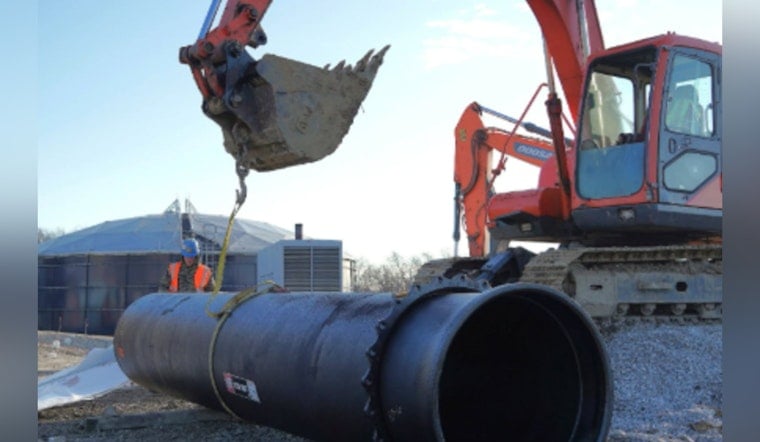
Anderson’s drinking water is about to get a serious bump, Mayor Thomas Broderick says, with new production wells and a key transfer line set to switch on Thursday. The upgrade is expected to pour roughly three million additional gallons a day into the system and relieve pressure on the northside treatment network just as summer demand kicks into high gear.
The city announced the changeover Wednesday, saying a new transmission line from the Lafayette Water Treatment Plant to the 8th Street water tower will be placed into service and water from newly drilled wells will begin feeding the expanded northside facility starting Thursday, according to a City of Anderson Government update.
What the new wells will deliver
City officials say crews have drilled and installed two new wells in the Fuller well field north of town. Those wells will send raw water to the Lafayette Water Treatment Plant at 300 North for treatment before it is pushed out across the distribution system.
As outlined in the city’s newsletter, the Lafayette expansion, completed in June, increased treatment capacity from 10 million gallons per day to 14 million gallons per day. City documents say the combined northside upgrades are expected to push total northside capacity toward roughly 15 million gallons per day. AndersonNow and the city’s 2025 water-quality report both document the recent well completions and system improvements.
Funding, service lines and what residents should expect
The multi-phase overhaul is being paid for with a mix of local, state and federal dollars, including ARPA and ARC funds, and a state financing package the city says totals about $45.1 million, with roughly $12.5 million in forgivable grants, according to Indiana Public Radio.
City notices say contractors will replace roughly 15,000 feet of aging transfer line and that water-main and service-line replacement work will continue across multiple neighborhoods over the next 12 months. Residents are being warned they may see temporary discoloration during construction and have been advised to run cold water for 15 minutes or call the utility if they have concerns.
City leaders are casting this week’s start-up as the end of a first phase rather than a finish line. Crews will continue tying additional wells and transfer piping into the broader system in the coming weeks, while the Board of Public Works and project managers coordinate main replacements, service-line upgrades and homeowner notifications as work moves block by block.





