

























































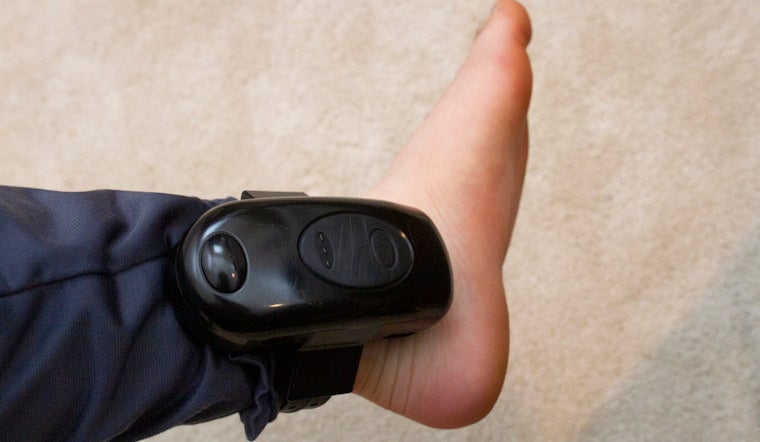
New Orleans is staring down a public safety and jail-capacity mess after its main ankle-monitoring vendor told City Hall it is ready to walk away from the parish unless courts change how they use the program. The Assured Supervision Accountability Program (ASAP) says it is cutting off new enrollments immediately, will officially end its partnership with the city on August 1, and plans to start pulling people off monitors on Monday, July 20 - a move that could send some participants straight back to jail. The standoff throws a spotlight on the increasingly tense relationship between private monitoring firms, local judges and city officials over who is actually responsible for supervising people released before trial.
ASAP's Letter To City Hall
In a late night letter to Mayor Helena Moreno’s office, ASAP warned that local judges have undercut the program’s viability and urged the city to step in. The company told staff it would stop accepting new enrollments right away, wind down operations by August 1, and begin disenrolling existing participants on Monday, July 20. The mayor’s office confirmed it received the letter late Thursday and said it needs time to review the company’s claims, according to WDSU.
Why ASAP Says It Is Walking Away
ASAP, which is run locally by Jill Dennis, argues the issue is not faulty technology but how often courts actually use it. The company says judges are not assigning enough people to electronic monitoring, which has driven down enrollment and the revenue that keeps the program running. ASAP also points to real-time enforcement tools and proximity reports it says it provides but courts rarely request, leaving the company to shoulder costs and liability with little buy-in from the bench. The firm outlines those services on its own website and notes that Dennis worked with lawmakers on a legislative task force earlier this year, as reported by ASAP.
Who Would Be Affected
In its message to the mayor’s office, ASAP said that anyone it removes from electronic monitoring would be returned to the custody of the Orleans Parish jail, a shift that could affect dozens of people depending on how many are currently enrolled. Because ASAP is listed on the parish’s electronic-monitoring provider registry, its exit would force judges and jail officials to either move those defendants to another approved company or revoke their release conditions altogether. That scenario was outlined in the firm’s letter and reported by WDSU, and the parish registry confirms ASAP as an approved provider in Orleans Parish (Orleans Parish registry).
Background: Oversight And Past Problems
Complaints about New Orleans’ ankle-monitoring system have been simmering for years, with reporters and advocates documenting lapses and uneven supervision that left courts and private vendors pointing fingers at each other. In response, state lawmakers created an oversight task force this spring to study how GPS monitoring is used and whether rules around reporting, tamper alerts and provider responsibilities need to be tightened. Those concerns and the new task force were detailed in coverage of the state’s scramble to clean up a broken ankle monitor system.
Legal And Operational Implications
Legally, judges set the terms of pretrial release and private monitoring companies are supposed to carry out those orders. A vendor deciding to pull out does not automatically cancel a judge’s release conditions. If a company stops supervising defendants, courts would have to reassign them to another approved provider or send them back to jail while new arrangements are made, in line with the parish’s provider registry and standard courtroom practice (Orleans Parish registry).
What’s Next
The mayor’s office says it is reviewing ASAP’s letter, and city officials, judges and prosecutors are expected to huddle over what to do next. How quickly they can defuse the situation is an open question. Longer term, the state’s new oversight efforts that began earlier this year could reshape how electronic monitoring is funded and regulated in New Orleans, according to the City of New Orleans.





