

























































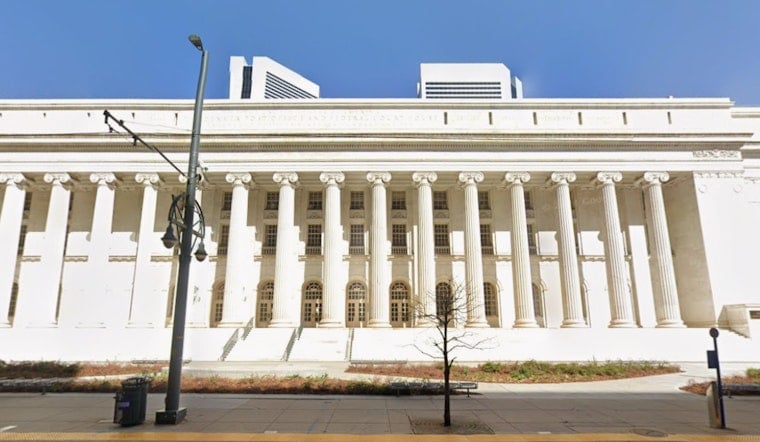
On Tuesday, June 30, a federal appeals court gave new traction to Salt Lake City journalist Bryan Schott’s First Amendment challenge after the Utah Legislature refused him a press credential. A 10th Circuit panel revived his facial and as‑applied viewpoint‑discrimination claims and sent them back to the trial court for another look, while keeping in place the dismissal of his retaliation, prior‑restraint, and vagueness claims.
What the appeals court said
The three‑judge panel found that Schott has "plausibly alleged" the Legislature turned him down because of viewpoints reflected in his reporting. That was enough, the court said, to overturn the district court’s decision tossing his viewpoint‑discrimination claims and to remand those parts of the case for further proceedings. At the same time, the panel agreed with the lower court that Schott’s retaliation, prior‑restraint, and vagueness claims should remain dismissed, and it treated the earlier denial of a preliminary injunction as moot in light of the revived claims. The full opinion is available from the U.S. Court of Appeals for the Tenth Circuit.
How Schott says he was shut out
Schott says he launched Utah Political Watch in late 2024 after leaving The Salt Lake Tribune and then sought credentials to cover the 2025 legislative session. Instead, he was turned away after the Legislature revised its credentialing rules to exclude "blogs, independent media, or other freelance media." According to the Institute for Free Speech, which represents him, those changes came just weeks after Schott first asked about a credential and followed a string of critical stories about legislative leaders. Case documents and press materials are collected by the Institute for Free Speech.
Why credentials matter
The court noted that credentials do more than let reporters sit somewhere other than the public galleries. A pass can unlock a press room, set‑aside workspaces in the House and Senate galleries, regular media availabilities with lawmakers, and other tools that make day‑to‑day reporting possible. Lawyers for the Legislature argued in the trial court that the public can still attend in person and watch livestreams, but the appeals panel warned that shutting independent outlets out of a press‑only forum raises potential viewpoint‑discrimination concerns. The decision and its stakes for statehouse access were detailed by Courthouse News Service.
Voices on both sides
Charles "Chip" Miller, an attorney with the Institute for Free Speech who represents Schott, said the ruling underscores that once the government opens a space specifically for the press, it cannot then "pick and choose" who gets through the door. Spokespeople for the Utah House and Senate told KSL that the Legislature will continue to provide livestreams, archives, and in‑person public access while also watching out for security and the practical needs of running the Capitol.
Next steps
The 10th Circuit sent the viewpoint‑discrimination claims back to the U.S. District Court for the District of Utah, where the judge must now decide whether the credentialing policy is on its face viewpoint‑based or whether it was applied to Schott in a viewpoint‑discriminatory way because of his reporting. The panel also wiped out the earlier denial of a preliminary injunction as moot on those revived claims, leaving Schott the option to seek immediate relief when the case returns to the trial court. The panel’s directions are laid out in the opinion from the U.S. Court of Appeals for the Tenth Circuit.
Legal implications
Legal observers say the dispute could influence how statehouses across the country handle access for independent journalists and online outlets when they set the ground rules for press‑only areas, a live issue as traditional newsrooms continue to contract. The case now returns to federal court in Utah, where the district judge has been instructed to take a closer look at whether the Legislature’s written rules, or the way they were applied, crossed into viewpoint discrimination. Local reporting suggests it could be months before a new ruling lands. Coverage from KSL includes additional background and statements from both sides.





