

























































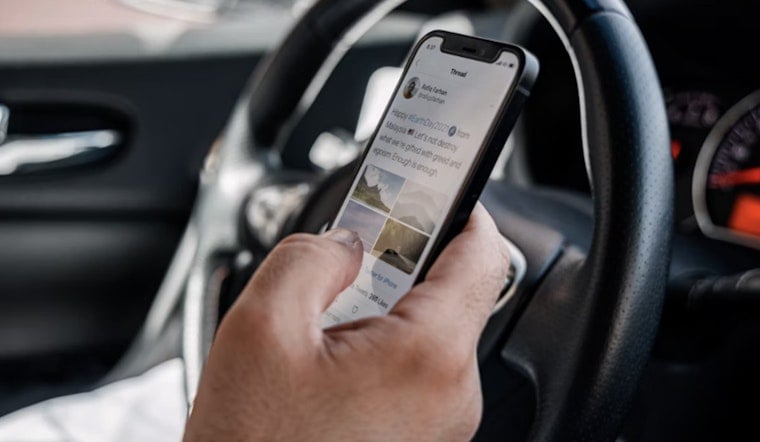
Arizona drivers who tap, scroll or film behind the wheel are about to feel it in the wallet. A new state law cranks the civil penalty for a second or later distracted-driving violation up to $400, tacks on a $150 surcharge when phone use contributes to a crash with a motorcycle, and spells out that live-streaming or recording video while driving is off limits even if the phone is not in your hand. The bill, sponsored by Representative Teresa Martinez, was signed by Gov. Katie Hobbs on June 5, 2026, against the backdrop of 66 distracted-driving fatalities in 2024 reported by the Arizona Department of Transportation.
What the law changes
House Bill 2109 formally boosts the maximum civil penalty for a second or subsequent hands-free violation to $400 while keeping the first-offense range at $75 to $149, according to the Arizona Legislature. The law also creates an extra $150 civil penalty if a driver’s phone use contributes to a crash with a motorcycle and broadens the prohibition to cover watching, recording or streaming video content while the vehicle is in motion. Those details appear in the chaptered session law and related bill materials released by the legislature.
Who backed the change
Rep. Teresa Martinez says the push started after a near-miss involving her own family and that she aimed the tougher penalties squarely at repeat offenders and collisions that hurt riders. Martinez warned that some drivers “live video stream themselves” while behind the wheel, pulling attention away from the road, and supporters say the new fines highlight how exposed motorcyclists are in any crash. Her comments and the local reaction were reported by FOX 10 Phoenix.
How the law was finalized
HB2109 cleared both chambers during the spring legislative session and was chaptered as law in early June. Gov. Katie Hobbs listed it among the measures she signed on June 5, 2026, in a legislative action update. Legislative roll calls and the public bill record document the votes that sent the final language to the governor, and together with the governor’s office those records trace the last steps that turned the proposal into law.
Why it matters on Arizona roads
Distracted driving continues to play a major role in preventable crashes across Arizona. The Arizona Department of Transportation counted 66 deaths tied to distracted driving in 2024, a number that helps explain why lawmakers were willing to ratchet up penalties. Supporters argue that higher fines for repeat offenders and a specific motorcycle surcharge will discourage risky behavior. Some safety advocates, however, say the real test will be how visible enforcement and public education are, not just what is written in statute. Law firms and rider groups have publicly praised the focus on motorcyclists and accountability while stressing the need for follow-through from agencies and prosecutors.
What drivers need to know
The state’s basic hands-free exceptions are still in place for voice-based calls and systems that are mounted in the vehicle. HB2109 clarifies, though, that watching, recording or live-streaming video while driving is now squarely within the ban and can trigger the new penalties. The first offense remains a civil penalty in the $75 to $149 range, while repeat violations can bring the $400 maximum and, when applicable, the extra motorcycle-related surcharge, according to the Arizona Legislature. In practice, that means any video use while the vehicle is moving is a clear legal risk.
Legal implications
Rep. Martinez told local reporters that drivers who rack up three distracted-driving offenses could face license suspension, describing it as another tool to protect riders and other road users. The statute itself sets civil penalties, but repeated citations and crash findings can already feed into Arizona’s administrative driver-license process. How agencies track repeat violations and how consistently officers and courts enforce the rules will likely determine how much the law actually changes behavior on the road.
For more detail, readers can review the legislative overview and session text from the Arizona Legislature, the governor’s legislative action update that listed the bill among the June 5, 2026 signings, and Arizona Department of Transportation materials on distracted driving that supplied the safety data behind the debate.





