

























































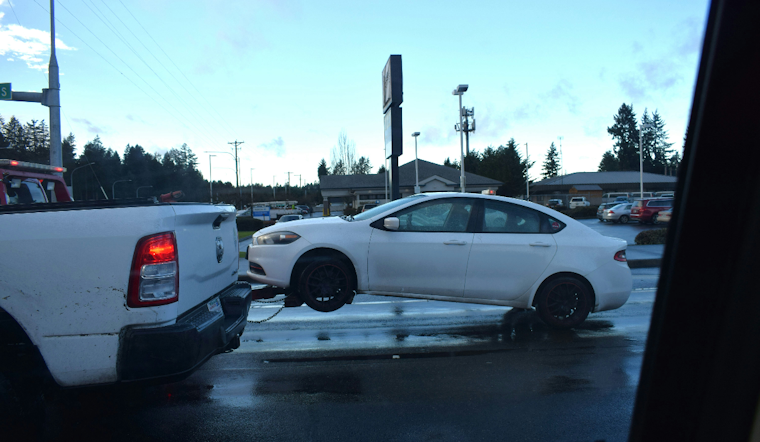
If you have ever walked back to a Baltimore parking lot and found your car gone, you are exactly who city lawmakers say they are hearing from. After a wave of complaints that private tow operators are prowling lots and slapping drivers with steep, surprise bills, the City Council is weighing a major rewrite of its towing rules. Neighbors told local reporters that tow trucks are "just picking people off," and a new ordinance is aiming to cap fees and rein in the patrol towing practices critics describe as flat-out predatory.
What the bill would do
Introduced by Councilman Ryan Dorsey, the proposal would cap a trespass tow at $250 and hold any release fee to no more than 25% of that amount. It would also require tow companies to accept at least two major credit cards instead of insisting on cash, and it would prohibit most patrol towing except in a few narrow situations. On the paperwork side, the bill calls for clearer receipts and daily logs that must be kept for two years and opened up for inspection. Those details appear in the legislation posted on Baltimore City Council Legistar.
Residents say fees are already high
The push comes after drivers reported getting hit with $300 to $400 redemption bills, plus storage costs, when their vehicles were hauled from private property. Councilman Dorsey told a local outlet that some operators were charging well above what he described as a confusing legal limit. One driver, Alex Trick, told reporters he shelled out about $375 just to get his car back. WBAL-TV reports the measure has been routed to the Council’s Land Use and Transportation Committee for review.
Towing reform has a long history here
If this all sounds familiar, that is because towing rules have been a recurring political battleground in Baltimore. Earlier efforts to clamp down on fees or outlaw aggressive patrols have run into industry resistance and died at the Council, leaving what critics describe as a messy patchwork of regulations and uneven enforcement. Previous attempts to toughen oversight stalled in committee, and local coverage has tracked those fights and the towing lobby’s pushback in recent Council sessions, as Baltimore Brew reported.
Enforcement and penalties
The draft ordinance would give the city’s licensing board sharper teeth, spelling out its power to deny, suspend or revoke towing licenses when rules are broken. It also requires the Board of Estimates to sign off on any maximum charges the oversight board sets. On the street level, the bill would bar release fees unless a vehicle is actually hooked up and at least two wheels are lifted, and it would require daily logs and receipts that city inspectors or police can review. Those provisions are laid out in the legislation posted on Baltimore City Council Legistar.
What comes next
The proposal now heads through the committee process, where councilmembers are expected to hold hearings and take testimony from residents, property managers, and towing companies before it can reach the full Council. Supporters cast the bill as basic consumer protection for drivers already squeezed by high costs. Opponents argue that strict limits could make it harder to enforce parking rules on private property and to keep lots secure. Either way, the debate is circling back to an issue many Baltimoreans say hits both their wallets and their daily routines.





