

























































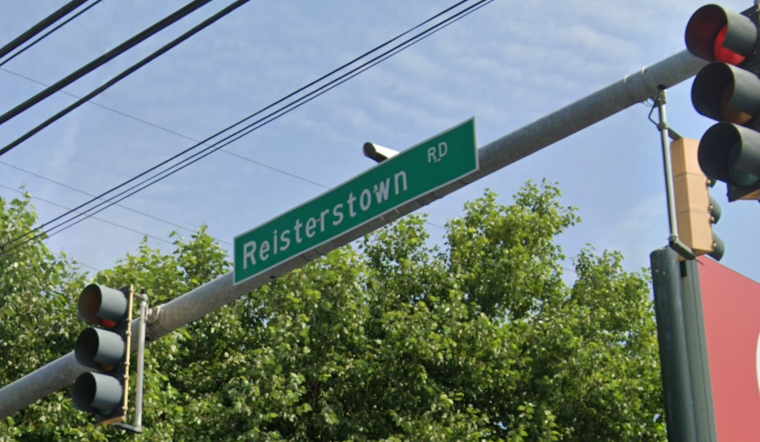
An 18-year-old Baltimore man is turning down a long prison stretch and taking his chances at trial over a 2025 shooting on Reisterstown Road.
Josiah Sweeney-Teal, who is indicted on attempted murder and several firearm charges, has rejected a prosecutors' plea offer and is now set for a three-day jury trial on Sept. 15, 2026, in Baltimore City Circuit Court. The case stems from a Sept. 4, 2025, shooting on the 3900 block of Reisterstown Road.
At a July 1 hearing, prosecutors outlined a deal that would have given Sweeney-Teal a 30-year sentence, suspending all but 15 years, with five years of supervised probation on the attempted second-degree murder count. The offer also included a concurrent five-year, no-parole term for firearm use and a requirement that he register on the gun-offender registry when released.
Sweeney-Teal, who was indicted in January, turned the offer down, waived his July 28 speedy-trial deadline, and was scheduled for trial on Sept. 15 before Judge Emanuel Brown. Charging documents say surveillance video showed muzzle flashes coming from a heavyset, light-skinned man whom witnesses later identified as Sweeney-Teal, and the court denied a June motion to transfer the case to juvenile court, as reported by Baltimore Witness.
Why The Transfer Fight Mattered
Defense attorneys pushed to move the case back to juvenile court, a shift that can dramatically change the rules for sentencing and rehabilitation. Under Maryland law, judges deciding whether to transfer a case weigh factors such as a defendant's age, mental and physical condition, amenability to treatment, the nature of the offense, and public safety.
Those statutory standards, and how they play out in real cases, are discussed in Maryland appellate decisions, including the state high court's opinion in Smith v. State, available on FindLaw.
Gun-Offender Registration And The Plea's Terms
The proposed plea also would have placed Sweeney-Teal on Baltimore's gun-offender registry after his release. That registry has been the subject of litigation and political debate, with critics questioning how broadly the city can apply registration rules and how the system affects people reentering the community.
For reporting and analysis on those controversies, see coverage by The Appeal.
Surveillance, ID And Likely Defense Tactics
Prosecutors say their case leans on surveillance footage that captured muzzle flashes and on witnesses who later identified Sweeney-Teal as the shooter. Defense lawyers in cases like this often zero in on how those identifications were made, especially when video is brief, grainy, or taken from a distance.
Research has long shown that identifications based on fleeting observations or imperfect video can be vulnerable to error, depending on lighting, camera angle, distance, stress, and memory issues. Courts sometimes allow expert testimony to walk jurors through those risks. For scientific background and reform proposals on eyewitness reliability, see resources from the Innocence Project and the review by Wixted & Wells.
What Comes Next
The three-day trial is currently set to begin Sept. 15, 2026, before Judge Emanuel Brown. Unless and until a jury says otherwise, Sweeney-Teal remains presumed innocent under the law.
New motions, plea talks, or scheduling changes will be reflected in official court records. Those filings and calendar updates are posted to the Maryland judiciary's public database at Maryland Judiciary Case Search. We will continue to monitor the docket for any substantive developments before trial.





