

























































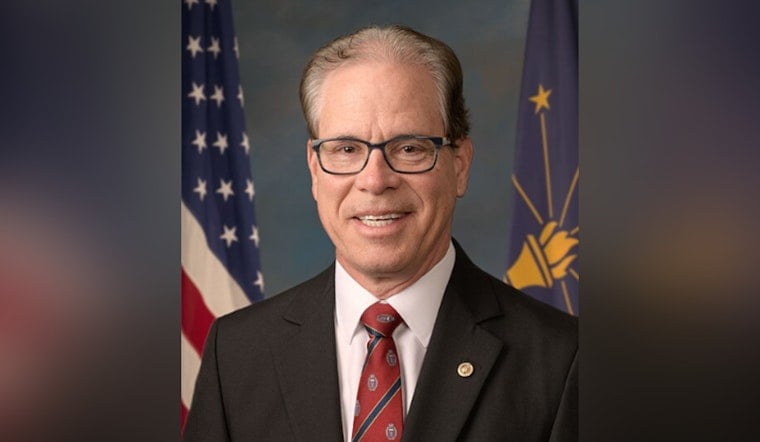
Indiana officials moved Wednesday to halt race- and sex-based preferences in state contracting after the attorney general concluded key parts of the state's Diversity Business Enterprises program were unconstitutional. Gov. Mike Braun directed the Indiana Department of Administration to stop using those portions of the program and shift to a merit-focused approach for future procurements. The move affects contracts across state agencies and could significantly change how Indiana awards both federally and state-funded work.
Attorney General's opinion
Attorney General Todd Rokita identified the minority- and women-owned elements of the DBE program as singled-out preferences that, he said, violated the Equal Protection Clause and cannot legally be applied. Citing the U.S. Supreme Court's 2023 Students for Fair Admissions decision, Braun instructed state officials to move away from race- and sex-conscious contracting and toward a merit-based model. He also said he plans to roll out a new small-business initiative aimed at helping Indiana firms compete for state work. Those steps were reported by WISH-TV.
How state agencies got here
The Indiana Department of Administration formally asked the attorney general for a legal opinion in August 2025 on the statute that creates the Minority and Women's Business Enterprises program and how it fits within constitutional limits. The IDOA request outlines statutory duties that require agencies to set annual goals and certify minority- and women-owned firms for state projects, and it asks whether a race-neutral alternative focused on veterans, small businesses or Indiana-based firms would be permissible. IDOA's Request for Opinion shows the department sought guidance after federal developments raised questions about how long-standing rules could be applied.
Federal context and recent litigation
The change in Indiana follows a broader national legal shift. Litigation over the U.S. Department of Transportation's Disadvantaged Business Enterprise rules, along with recent regulatory revisions, has chipped away at decades-old presumptions that minorities and women are automatically considered "disadvantaged" under the program. The DBE framework dates back to 1983 and has historically required agencies to set race- and sex-based spending goals on many federally funded projects. The Daily Reporter detailed the court fights and regulatory changes that helped set the stage for state-level action.
What this means for contractors
Contractors pursuing state work should expect procurement language that stresses nondiscrimination without race- or sex-based targets in upcoming solicitations. Rokita's opinion, along with guidance from the administration, noted that under the prior DBE approach, companies that failed to meet DBE goals could face consequences such as bid rejection, withheld payments, contract termination or even debarment. State officials have already started inserting revised nondiscrimination and DEI-related certification language into new contracts, as reported by WRTV.
Business and community reaction
Industry and advocacy groups reacted quickly, largely along familiar political and economic lines. Some non-DBE firms and trade associations welcomed what they see as a shift toward open competition. Many minority- and women-owned contractors and their supporters, however, warned that removing race- and sex-conscious goals will likely erode predictable contracting opportunities that helped them access state work. The Indianapolis Business Journal has followed how local companies are preparing for recertification and rule changes. IBJ and national reporting show trade groups on both sides gearing up to press their cases in court and before federal agencies, while The Daily Reporter noted that defenders of DBE programs view the recent legal shifts as a significant setback.
Legal implications
Rokita's advisory opinion leans heavily on equal-protection principles and is likely to spark litigation and administrative challenges that could eventually define how Indiana and other states structure race-neutral alternatives. The IDOA request and the attorney general's analysis both point to strategies such as targeting veterans, small businesses or in-state firms as potential race-neutral ways to help smaller contractors compete. IDOA's Request for Opinion and reporting on the federal DBE disputes outline the legal avenues policymakers may pursue next.
What to watch next: formal guidance from the Department of Administration on how to implement the opinion, details of the governor's planned small-business initiative and any lawsuits or administrative appeals that seek to restore or restrict parts of the old DBE framework. For now, state procurement officers and contractors are waiting on the written rules and implementation timeline that will turn the opinion into day-to-day practice.





