

























































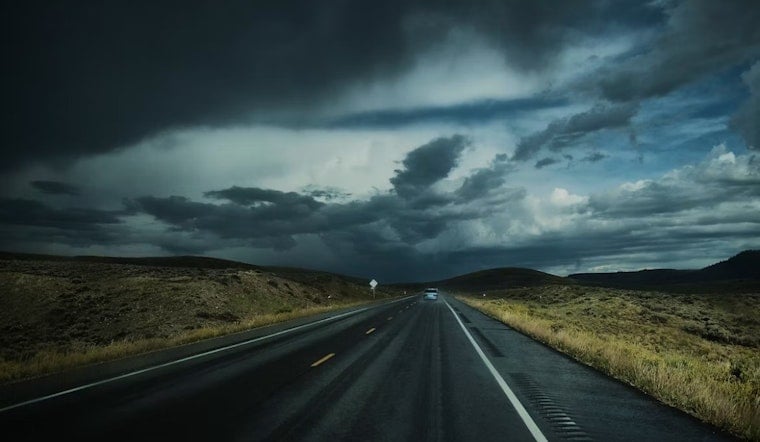
Across central Utah, the wildfire season is barely slowing down before the next threat rolls in. From Eureka to Beaver, public works crews and residents are hustling to fill sandbags and throw up temporary berms as monsoon storms start to build. Stacks of tan bags now ring schools, parks, and maintenance yards, a low-tech shield against muddy floodwater and fast-moving debris.
“The outlook is not very positive,” warned Phil Dennison, a wildfire researcher at the University of Utah, describing what happens when heavy rain hits freshly burned hillsides.
Volunteers Mobilize In Central Utah
In Eureka, dozens of volunteers turned out Monday to fill and stockpile sandbags, staging them near the public works yard so residents can grab them quickly if storms line up, according to Utah Public Radio. The town is one of several bracing for post-fire runoff after the Iron Fire and other recent blazes.
Dennison’s sobering assessment that “the outlook is not very positive” was detailed in reporting by The Salt Lake Tribune, which highlighted how quickly burned slopes can turn a cloudburst into a wall of mud and debris.
County officials say sandbags are being staged at public sites and will be distributed to neighborhoods if floodwaters threaten homes.
Why Burn Scars Make Floods Worse
Wildfires do more than scorch trees. When flames strip away vegetation and bake the soil, the ground can become water-repellent. Short, intense storms that would normally soak in instead race downhill as dangerous runoff.
Utah State University Extension warns that these post-fire conditions can turn a typical summer thunderstorm into a flash-flood or debris-flow event, and that an elevated debris-flow hazard can linger for three to five years after a fire. That shift means neighborhoods that never used to worry about flooding can suddenly be at real risk during monsoon-season storms. Experts are urging residents in those areas to take precautions before the clouds build.
Officials Set Up Sandbag Stations And Monitoring
Salt Lake County and other local governments have opened self-service sandbag locations and posted instructions so residents can fill and place bags without getting hurt, according to Salt Lake County Emergency Management. Piles of sand, stacks of bags, and how-to diagrams are doing the quiet work of disaster prevention.
At the same time, state agencies are relying on mapping tools and monitoring equipment to monitor trouble spots. Officials are using burn-scar maps and stream gauges to help time warnings and target sandbag deployments, according to Utah Flood Hazards reports.
People who live downstream of burned canyons are being urged to sign up for emergency notifications and to avoid driving through flowing water. That “turn around, don’t drown” advice gets repeated every year for a reason.
What Residents Can Do Now
For anyone living below a burn scar, the checklist is not glamorous, but it is specific. Move important documents and electronics to upper floors, anchor fuel tanks, and tie down or move outdoor gear that could be swept away. Utah State University Extension offers a post-wildfire checklist with step-by-step actions and sandbagging tips.
According to the Extension’s guidance, sandbags should be filled about two-thirds full, with the open end folded under the bag. They should then be stacked in a pyramid for stability rather than in a single vertical wall that can easily topple.
For details on where to pick up sandbags or how to help fill them, residents are advised to check their county’s emergency management page along with the state resources linked above.





