

























































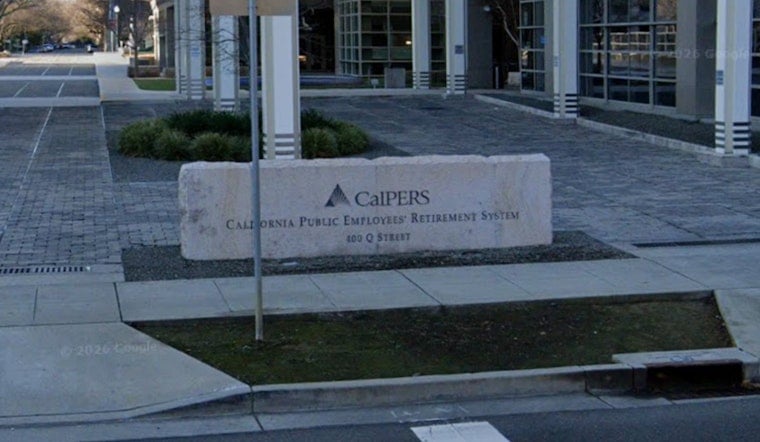
California's giant public pension fund just posted one of its best years in recent memory, and the ripple effects could reach from the state Capitol all the way to city halls up and down the state.
CalPERS reported a preliminary 14.8% net investment return for the fiscal year ending June 30, 2026, lifting the fund's market value to roughly $637.1 billion and pushing its funded ratio to about 85%, its strongest level in more than a decade. That performance added roughly $80 billion to the portfolio compared with the prior year and is being hailed by trustees as a major boost for the system's roughly 2.4 million members. Officials say the gains were broad-based, with public and private equity leading the charge.
According to CalPERS, the banner result was powered by a 24.1% gain in public equities and a 17.0% return in private equity. The fund now reports five-year and ten-year annualized returns of about 6.83% and 8.57%, respectively. In its July 13 release, CalPERS stressed that these figures are still preliminary and subject to valuation and fee reviews before they become final.
How CalPERS Pulled Off The Big Return
Fund leaders credit a revamped "total portfolio approach" combined with a heavier tilt toward stocks for the standout year. The strategy gives managers more flexibility to judge investments in the context of the entire fund rather than in isolated silos. As reported by CalMatters, the board's reference portfolio is roughly 75% global equities and 25% U.S. Treasuries, a stock-heavy mix that helped CalPERS' public equity holdings edge past the S&P 500 over the year.
Why City Halls Are Breathing Easier
These stronger returns could take some pressure off state and local budgets. The fiscal-year market value of CalPERS assets feeds directly into the formulas that set what public employers must contribute in upcoming budget cycles. Per CalPERS, the board also has the option under its Funding Risk Mitigation Policy to lower the discount rate when returns exceed the fund's 6.8% assumed rate. That is a technical adjustment in how future liabilities are measured, but it can trigger significant changes in contribution schedules for cities, counties and the state.
Feel-Good Numbers, Real-World Jitters
Not everyone is ready to pop the champagne. Some former trustees and watchdogs warn that the blockbuster year leaned heavily on riskier private-market bets layered on top of a very strong run in public markets. "These are very good results, however you need to think about how you got there," former trustee J.J. Jelincic told the board, as reported by CalMatters.
The Sacramento Bee has also reported that CalPERS staff opposed recent legislation that would have required more disclosure from private-equity managers, warning lawmakers that the bill could drive some firms away and shrink the pool of available investments.
What Happens Next
CalPERS will lock in its fiscal-year numbers after internal review, and the board is scheduled to revisit its discount-rate policy in September. Lawmakers, meanwhile, may return to the debate over private-equity disclosure rules as these performance figures start feeding into budget talks.
For taxpayers and local officials, the looming question is whether this year's results mark a durable comeback in the pension system's health or a market-fueled bounce that could just as easily fade. The answer will carry big consequences for what governments pay into CalPERS over the next several years.





