

























































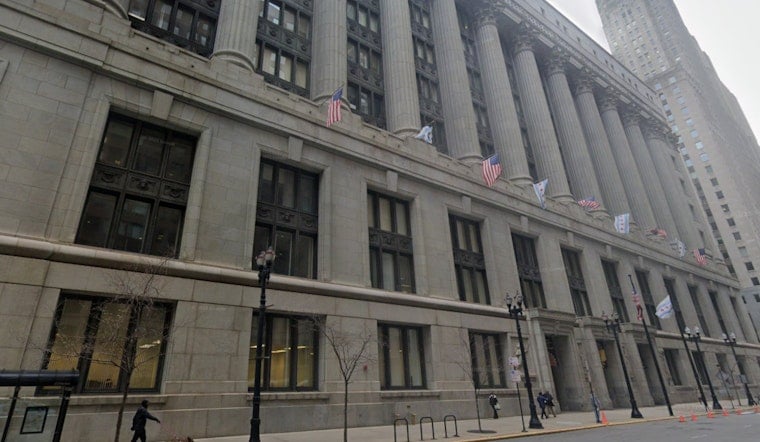
Chicago’s independent watchdog has taken a hard look at City Hall’s migrant spending and, for the most part, is telling everyone to take a breath. After reviewing roughly $640 million spent on sheltering and feeding newly arrived asylum seekers over 28 months, the Office of Inspector General, or OIG, reported only small paperwork and labeling mistakes in a targeted batch of invoices, not a pattern of misuse. For officials who have been hammered with questions about contracts and oversight, the findings amount to a rare bit of good news.
What the OIG found
In an explainer published July 22, the City of Chicago Office of the Inspector General said its review of the city’s “new arrivals” mission concluded that “the city accurately and transparently reported spending,” and that most procurements followed established procedures. The OIG examined a combined $639,654,965 in city and grant funds covering Aug. 31, 2022, through Dec. 31, 2024, and pulled a sample of 100 invoices worth $20.4 million to test whether the rules were followed, according to the City of Chicago Office of the Inspector General.
Where the money came from
The audit set the city’s spending totals alongside its headcount of people served. The OIG tallied at least 46,282 new arrivals, while the city’s own migrant census listed 51,648 people during the same period, and officials adjusted reported totals to reconcile the roughly 5,000-person gap. On the finance side, the city’s corporate fund covered about $269.1 million, with the remaining costs paid using a mix of federal, state and Cook County grants, as reported by the Chicago Tribune.
Small errors, not big thefts
Inspectors did not come up empty. Out of the 100 sampled invoices, 12 had issues, totaling $79,736, which works out to about 0.39 percent of the spending they examined. The OIG also flagged $50,916 in transactions that never made it onto the city’s public spending dashboard. On top of that, auditors found 11 direct voucher payments that did not clearly describe what was being bought, such as tables and chairs listed as festival costs. The office labeled these as documentation and labeling problems, not signs of systemic fraud, according to the OIG report.
Big contract, big questions
Even with the OIG’s mostly clean bill of health, the politics around the spending are not going anywhere. Local reporting and advocates have zeroed in on a small group of large contractors that collected the bulk of the money. Favorite Healthcare Staffing, the city’s largest shelter contractor, has been paid hundreds of millions while migrants and volunteers submitted hundreds of grievances about living conditions and staff conduct. That kind of scrutiny has helped push leaders to pivot toward more community-run shelters, according to WBEZ.
Why it matters now
The OIG’s explainer lands as City Hall faces a tight budget and a messy debate over how to fold migrant sheltering into the broader homeless services system. WTTW reported that Mayor Brandon Johnson has said the city is running at least $130 million short this year, a backdrop that has sharpened every argument about emergency spending and who gets what contract.
What’s next
The watchdog framed the report as an explainer meant to clarify how money has been tracked and reported rather than an indictment of specific officials. Auditors did not accuse the city of wrongdoing, but the office left the door open for continued monitoring and transparency efforts. City leaders say they plan to keep tuning the public dashboards and tightening procurement oversight, while advocates and some aldermen say they expect ongoing work from the OIG and the City Council to keep the spending under a microscope, as the Chicago Tribune has reported.





