

























































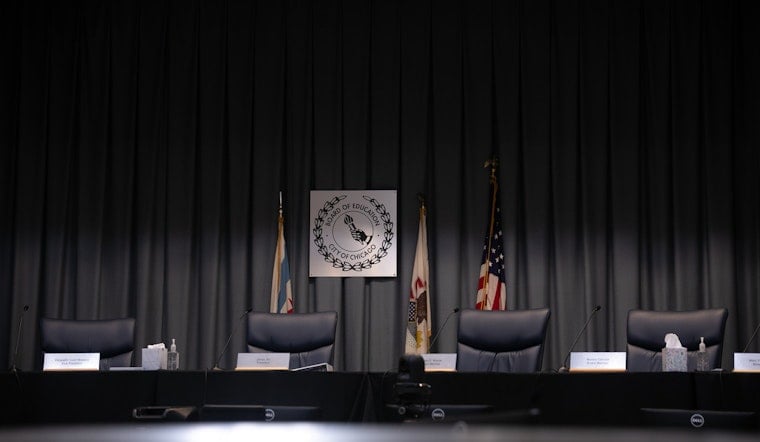
The Chicago Board of Education has slammed the door on one big source of campaign cash, voting 16-1 this week to stop school board candidates from taking money from current or would-be Chicago Public Schools vendors. The move comes as the city hurtles toward its first fully elected school board races and outside money pours in.
Board Locks In New Vendor Rule
According to the Chicago Board of Education, the new resolution requires every candidate to confirm that potential donors are not active CPS vendors, prospective vendors, or outside counsel working for the board. It flat-out forbids candidates from accepting campaign contributions from those groups, instructs the district to post a public notice about these rules on its website, and takes effect immediately.
Harden Says It Is About Optics, Not Politics
Board President Sean Harden framed the policy as a guardrail against the appearance of backroom dealing, saying it was meant to protect the board "from the optics of pay to play," according to the Chicago Sun-Times. The board backed that rationale with a 16-1 vote. More than 50 candidates have already jumped into the running for the city’s first fully elected school board, and campaign committees have raised millions of dollars so far this year, which only heightened concerns about who is writing the checks.
Big Money Already Shaping The Race
The vendor ban arrives in a landscape where outside spending is already a defining feature. A Chalkbeat analysis found that more than $13 million flooded into the 2024 campaign season, with the Chicago Teachers Union alone spending roughly $4.3 million. That level of cash helped convince board members that vendor donations could taint votes, fuel public suspicion, or force frequent recusals. They also warned that too many recusals could make it harder for the board to approve critical vendor and labor contracts.
Donor Examples That Set Off Alarms
The concern is not hypothetical. As reported by the Chicago Sun-Times, campaign filings show that law firm Cozen O'Connor gave to candidates including Jessica Biggs and Che "Rhymefest" Smith. Anthony Fiore, vice president of Open Kitchens, a company that holds a CPS meal contract, has donated to multiple campaign committees.
Under the new rule, candidates who took money from a vendor before the policy was adopted face a choice: either recuse themselves from any votes involving that vendor or give the donation back and notify the district and its ethics officer. Board member Bryan Zarou called the move a "step in the right direction" but argued it is too narrowly aimed at vendors. Several candidates told the paper they would talk with their lawyers about what to do with past contributions, and the Sun-Times noted that candidate committees have already hauled in more than $2 million this year, with another round of disclosures due next week.
Conflict Rules Already On The Books
CPS policy already requires board members to review potential conflicts every month and to sit out votes where they have an economic interest. The district’s Ethics Office has advised candidates to stay away from vendor donations or at least adopt the city’s $1,500 vendor limit as a best practice, according to Chicago Public Schools. That guidance also walks candidates through how to use the district’s public vendor records to check whether a contributor is tied to CPS.
How The New Rule Could Play Out
The vendor ban is a board policy, not a rewrite of state election law, but it still changes how candidates and future board members will have to navigate votes involving district contractors. The Chicago Board of Education agenda directs staff to post a public notice outlining candidate responsibilities on the district’s official site and gives the ethics officer a formal role in tracking both returned donations and recusals. Those steps are intended to shore up public trust while the board continues signing off on contracts.
What To Watch Next
All eyes now turn to how aggressively the rule will be enforced and whether its narrow focus on vendors leaves other pressure points untouched. Critics argue it ignores other big players who can influence school board races, while supporters say it is a necessary curb on the most obvious potential conflicts. The next batch of campaign finance filings and the board’s public notices will offer the first real test of whether the policy cuts down on pay-to-play concerns or simply nudges political money into different lanes.





