

























































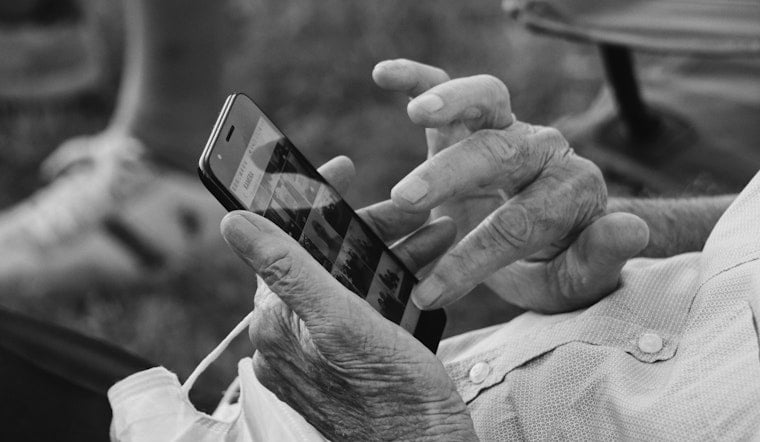
AI-generated videos using the faces and voices of big-name public figures are being rolled out online to peddle a bogus honey-based “cure” for Alzheimer’s, and consumer advocates say the whole setup is laser-targeted at seniors and worried families. Buyers say that once they click, they often end up in hard-to-escape subscription plans and find recurring charges that are a nightmare to shut down.
“So anybody touting that they have this medical secret that the doctors don't have, that's the tip-off to the rip-off,” Steve J. Bernas, president and CEO of the Better Business Bureau serving Chicago and Northern Illinois, told NBC Chicago. According to Bernas and the BBB, deepfake clips of Bill Gates, Anderson Cooper and Bruce Willis are being spliced into long-form ads that steer viewers to supplements sold under constantly changing brand names and subscription plans, with consumers reporting unauthorized recurring charges, unresponsive customer service and denied refunds.
How the Scam Works
Journalists and fact-checkers say the videos are designed to look like legit news segments, complete with fake interviews, fabricated on-screen graphics, emotional testimonials and slick checkout funnels that pressure viewers to buy, according to Forbes. Product names like “Brain Honey” and “Mind Boost” regularly switch out, a shell game that helps scammers dodge scrutiny and makes getting a refund even tougher.
Medical Groups Push Back
The Alzheimer's Association says there is no rigorous evidence that any single food or supplement, including honey, can prevent, treat or cure Alzheimer’s, and it “does not endorse any food, ingredient or supplement (such as honey) as being beneficial for treating or preventing Alzheimer's,” according to the Alzheimer's Association. The group urges people to talk with a physician before trying any product advertised as a memory cure.
Bill Gates' private office told NBC Chicago that “Claims that Gates is supporting these products -- are false,” and independent fact-checks and reporting back that there is no credible link between Gates and the supplements being pushed. Aggregators and fact-check pages that have tracked the surge of ads point to the same pattern of doctored screenshots, AI-built clips and hard-to-cancel subscriptions that show up in other online health scams.
What to Do if You Were Targeted
If you spot mystery charges you cannot stop, your first call should be to your bank or card issuer so you can dispute unauthorized transactions and block future billing. Next, report the offer to the Federal Trade Commission at ReportFraud.ftc.gov, file a complaint with the FBI’s Internet Crime Complaint Center at IC3, and alert the Better Business Bureau through BBB Scam Tracker so investigators can flag the scheme and warn others.
Red Flags to Watch For
Be wary of any ad that pushes a “secret” cure, leans on bizarre or out-of-character celebrity endorsements, demands immediate payment or sends you to a checkout page with no clear, verifiable company information. Reporters and fact-checkers say those are classic warning signs. If the video’s lip sync, lighting or graphics look a little off, that can also be a clue that you are dealing with a manufactured deepfake.
Scams like this can drain family finances and stall real medical care. The FBI’s IC3 materials show that complaint-reported losses from online schemes have climbed into the billions in recent years, which is why consumer advocates and medical organizations keep urging caution and quick reporting. Save screenshots, hang on to receipts and talk to a trusted doctor before spending money on any product that promises dramatic memory recovery.





