

























































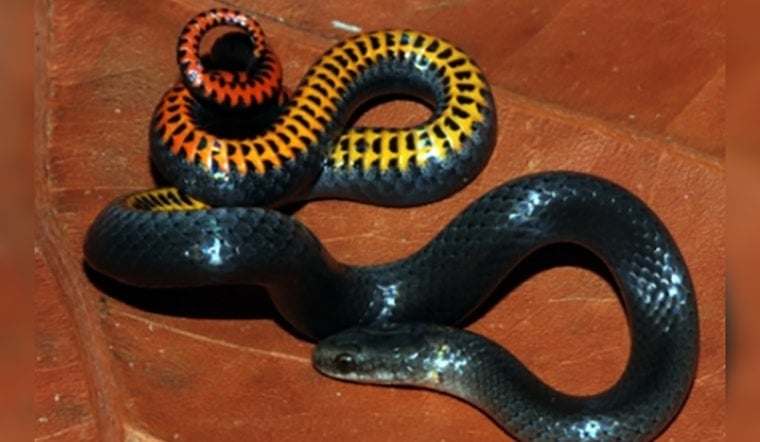
On Monday, July 20, 2026, federal wildlife officials quietly handed three obscure South Florida reptiles the biggest legal shield they can get: full protection under the Endangered Species Act. The Key ring‑necked snake, the rim rock crowned snake and the Florida Keys mole skink are now officially listed as endangered, a move meant to buy the species time as development and rising seas close in on the few scraps of habitat they have left.
Conservationists and state officials say the decision is overdue help for animals that occupy tiny corners of South Florida’s landscape and have been losing ground fast.
Federal decision and the agency’s rationale
In a press release, the U.S. Fish and Wildlife Service said the listings relied on the best available science and are meant to set up a clear framework for federal, state and local partners to coordinate recovery work.
Southeast Regional Director Mike Oetker cast the move as a team effort, stating, “Florida’s extraordinary wildlife and habitats are found nowhere else in the world, and protecting them takes strong partnerships and sound science.” The agency also set a near‑term effective date for the final rule covering the two snake species.
Where the reptiles live
These animals are not roaming all over the Sunshine State. The Key ring‑necked snake is confined to the Florida Keys. The rim rock crowned snake has been documented in Miami‑Dade County and parts of the Keys. The Florida Keys mole skink has only been recorded on about 15 islands in Monroe County since 2000.
Those distribution details, along with agency summaries, were highlighted in local coverage of the announcement. The Tampa Free Press also noted that the two snake species were already listed as threatened under state rules before the federal upgrade.
Why scientists say the species are at risk
Conservation groups and state biologists point to a familiar Florida recipe for trouble: habitat destruction, expanding urban development, storm surge and sea‑level rise. Those pressures are especially intense in the low‑lying Keys and in the shrinking pine rocklands that once covered large areas around Miami.
The Center for Biological Diversity has emphasized that rapid development and mounting climate pressures have carved the snakes’ and skink’s habitats into tiny, isolated patches. State officials say that the loss and fragmentation of pine rockland and rockland hammock, habitat types already down to a fraction of their historical footprint, make recovery a steep climb without coordinated action.
Materials from the Center for Biological Diversity outline these risks and the management challenges that come with them.
What the listings mean for projects and permitting
Endangered Species Act listing is not just a label, it is a legal trigger. Federal agencies must now ensure that any action they authorize, fund or carry out is not likely to jeopardize the continued existence of the three newly listed reptiles. That can require formal consultation under Section 7 of the law when projects might affect the species.
The Service also noted that none of the final decisions include a critical habitat designation at this stage. The animals still get the Act’s protections whether or not specific areas are formally mapped out as critical habitat.
The U.S. Fish and Wildlife Service details the regulatory impacts, timelines and next steps in its supporting materials and a frequently asked questions document.
Next steps and local conservation work
Federal officials say they plan to work closely with state, tribal and local partners on recovery efforts. The Florida Fish and Wildlife Conservation Commission has pointed to its existing imperiled‑species planning as a key piece of that toolbox.
Implementation will include population monitoring, targeted habitat protection and working directly with landowners in areas where the animals are found, according to agency materials and local reporting. Documents from the Florida Fish and Wildlife Conservation Commission and local coverage describe the kinds of on‑the‑ground actions those partners are likely to pursue.




