

























































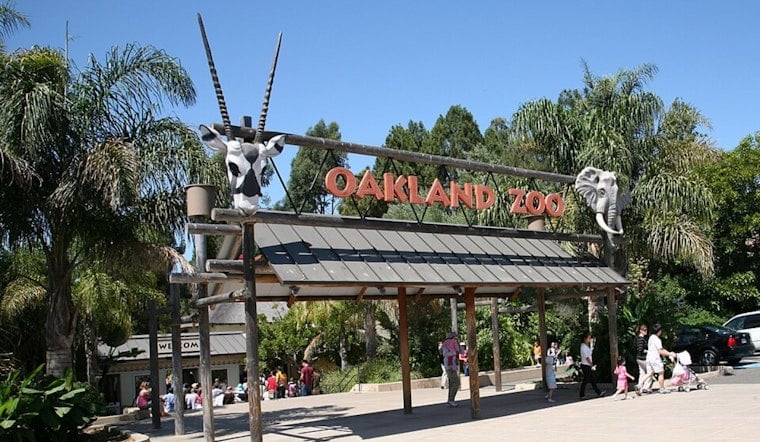
Oakland Zoo has quietly welcomed a new big cat into its care: Sitara, a roughly 13-year-old tiger rescued from a shuttered Northern California sanctuary after years of alleged neglect. For now, visitors will not see her. She is still under intensive veterinary care as she works through lameness in her left hind leg, and keepers are deliberately keeping things calm while she heals.
According to a zoo press release, Sitara is settling into a temporary setup that includes a night house and an outdoor space with pools, a waterfall, raised platforms, grass and thick vegetation. Keepers are slowly coaching her through the new terrain so she can safely explore and build confidence. The zoo emphasized that Sitara had never experienced this kind of environmental enrichment before arriving in Oakland, as reported by CBS News.
Where Sitara Came From
Sitara is one of five tigers removed from the Barry R. Kirshner Wildlife Foundation after the Oroville facility shut down amid mounting regulatory scrutiny. Animal rights group PETA filed legal action alleging years of neglect at the roadside zoo, and court documents show the operators and affiliated parties ultimately surrendered the animals. State regulators had already refused to renew Kirshner’s restricted-species permit after documenting multiple welfare concerns, according to PETA. Advocates say the legal pressure was a key factor in getting the tigers out and into accredited care, a transition detailed by the San Francisco Chronicle.
Other Tigers' Fate
Once the Oakland Zoo veterinary team had evaluated the group, placement decisions came quickly. Two males were transferred to the Performing Animal Welfare Society in Sacramento County, while a third male was sent to Turpentine Creek Wildlife Refuge in Arkansas. A fourth tiger, an elderly 16-year-old female, failed to respond to intensive treatment and was euthanized.
"These tigers endured hell on Earth in Kirshner’s clutches," PETA said, crediting its lawsuit with helping ensure the animals landed in accredited sanctuaries instead of yet another marginal facility. Darren Minier, Oakland Zoo’s director of animal welfare and research, has framed Sitara’s arrival as part of a broader push for tougher standards and stronger protections for captive wildlife, a stance the zoo highlighted in its press release and that was later summarized by CBS News.
Legal and Regulatory Fallout
The Kirshner operation had racked up repeated state and federal citations and eventually drew a criminal inquiry after regulators declined to renew its restricted-species permit, according to court filings and PETA’s 2025 complaint. That filing lays out years of USDA inspection reports and alleges failures in veterinary care, nutrition and enclosure safety that ultimately prompted state intervention. Local prosecutors have reviewed investigative reports tied to the facility, and advocates argue the Kirshner saga exposes serious gaps in oversight of roadside animal exhibitors, a concern examined by the San Francisco Chronicle.
Care and Prognosis
Oakland Zoo veterinarians say Sitara’s treatment plan right now is all about mobility, pain management and slowly rebuilding muscle. There is no public timeline for when, or even if, she will be ready to go on exhibit. In the wild, tigers typically live about 10 to 15 years. Those in accredited care can often stretch that into their late teens or even early 20s, a difference experts attribute to reliable nutrition and advanced veterinary care, according to the Smithsonian's National Zoo.
Local Context
Sitara’s arrival continues Oakland Zoo’s increasingly visible role as a regional rescue hub, even as the institution confronts the emotional toll that comes with taking in traumatized animals. Earlier this year, the zoo euthanized Lola, another rescued tiger, after her health deteriorated, a case that highlighted just how medically complicated rehabilitation can be for animals coming out of abusive or substandard situations.
Zoo officials say they will share updates on Sitara as her quarantine, rehab and training progress. For now, they are asking the public for patience while the big cat settles into what is, for her, an entirely new kind of life.



