

























































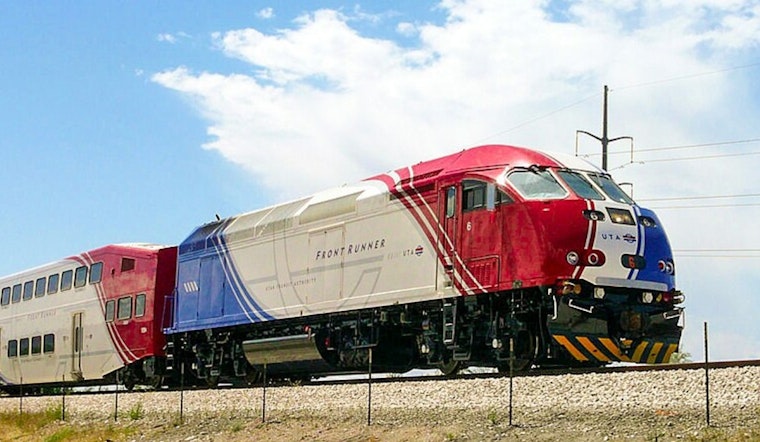
Morning commuters along the Wasatch Front hit an unwelcome snag Monday when a mechanical issue on FrontRunner triggered major delays in both directions. Southbound trains between Ogden Central and Provo Central were running roughly 30 minutes late, starting with the 7:07 a.m. departure from Ogden, and some riders were told they would miss the entire trip. What began as a single problem quickly tangled up the wider morning commute.
The Utah Transit Authority sounded the alarm on X, warning that southbound service from Ogden Central to Provo Central would see about 30 minutes of delay beginning at 7:07 a.m. and that northbound trains could see similar waits. The agency added that “affected passengers will miss the entire trip” and said crews were responding to a mechanical issue, according to Utah Transit Authority.
FrontRunner runs an 82- to 83-mile commuter corridor between Ogden and Provo, serving stations across Weber, Davis, Salt Lake and Utah counties. Several stretches operate on single track, which means that when one train is taken out of service, the delays can quickly ripple up and down the line. A longer-range upgrade known as FrontRunner 2X would add more double-tracked segments and additional trainsets to blunt those ripple effects, according to the FrontRunner 2X project.
Who this affects
FrontRunner links riders across Weber, Davis, Salt Lake and Utah counties, connecting 15 stations between Ogden and Provo. The line is a lifeline for students, downtown workers and overnight and early-morning shift employees who depend on roughly 30-minute weekday headways. When those trains stack up or are pulled from service, schedules unravel fast and connecting buses or trains can be easy to miss, according to Wikipedia.
What riders should do
Riders are being advised to pad their schedules, check live updates, and not assume their usual train will be on time. UTA posts real-time information on its service-alerts page and across its social channels. Those who need more help can call 801-RIDE-UTA or sign up for route-specific alerts on the agency’s website, according to the Utah Transit Authority.
Why reliability still lags
FrontRunner’s mix of single-track stretches, shared freight operations and the occasional equipment failure creates a fragile setup where one mechanical glitch can trigger long delays across the corridor. Planning documents for FrontRunner 2X from UTA and UDOT point to more double-tracking and extra trainsets as the key long-term fixes that would make the service less vulnerable to this kind of morning meltdown, according to the FrontRunner 2X project.
UTA’s alert said crews were on the scene and that additional updates would be posted on its usual channels. Riders are urged to keep an eye on those posts and service alerts for the latest word on restoration times or any new details. This story will be updated if the agency issues further information.





.jpg)