

























































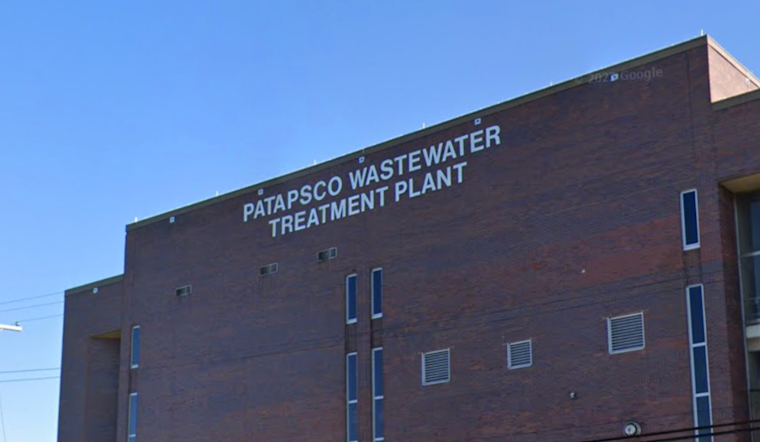
Workers at Baltimore's Patapsco Wastewater Treatment Plant have been laboring in sweltering heat, poor ventilation and murky chemical conditions that the city’s inspector general says demand immediate fixes. Inspectors documented busted showers, cracked concrete, failing ventilation and what staff described as a lingering chemical haze that left some employees feeling sick, putting new pressure on the Department of Public Works as another blast of summer heat bears down on the city.
OIG field visit
The Office of the Inspector General launched its review after a complaint and sent investigators to the plant on July 1. According to WCBM, they recorded the temperature in the men's locker room at 89.6°F and found a wall air conditioner set to 60°F that was not working at all. In a chemical room, a ventilation fan that employees said had been broken for years was still out of service, and in the chemical lab, the eyewash station was effectively useless because there was no running water.
The report says several employees reported flu-like symptoms. Investigators identified an illness associated with chemical exposure known as polymer fume fever, raising additional concerns about what staff had been breathing on the job.
Building problems and safety failures
The inspector general’s summary also reads like a punch list of basic building and safety failures. At one employee entrance, inspectors saw cracked and broken concrete. Inside, they found rusting appliances, vents coated in an unidentified black particulate and a leaking pump that had created a pool on the floor.
While air conditioning cooled main hallways, it typically did not reach work areas, so employees were propping open doors in an improvised attempt to move air through the building. The office urged immediate corrective action to address recurring temperature problems and to bring ventilation and chemical-safety systems back into compliance, according to the Office of the Inspector General.
DPW response
The Department of Public Works, under renewed scrutiny, has started to respond. The agency told reporters that crews removed loose rock and debris at the site and that HVAC repairs were completed later on July 1. Shower and urinal repairs are “in process,” and DPW said the chemical lab has been taken out of service and will be posted with signage, according to WCBM. The department said it is tackling the most urgent hazards first while planning longer-term upgrades for its aging facilities.
A longer pattern
The latest report does not arrive in a vacuum. Earlier investigations and union complaints have flagged unsafe conditions at DPW sites for years, including the 2019 death of supervisor Trina Cunningham at the Patapsco plant that led to state MOSH citations and later litigation. Local coverage has documented repeated maintenance lapses and safety grievances at city wastewater and sanitation facilities, and union leaders argue that the new findings show systemic problems that still are not fully resolved. That history has turned Patapsco into a recurring flashpoint for City Council members and labor representatives focused on worker safety.
Regulatory standard and enforcement
Maryland’s heat-illness prevention standard, adopted in late 2024, requires extra protections wherever employees face a heat index of 80°F or higher. Employers are obligated to provide basics such as water, shade and rest breaks in those conditions. Under Maryland Occupational Safety and Health rules, state inspectors can follow up when workplaces appear to be falling short on heat, ventilation or chemical-safety requirements.
Because the inspector general report flagged potential noncompliance with the state heat standard and other occupational rules, MOSH or other regulators could step in with enforcement if the conditions are not corrected. State guidance outlines what employers must provide to protect workers from heat stress, and Patapsco is now on that radar.
What to watch next
The OIG has called for immediate fixes and ongoing monitoring. DPW officials say some repairs are already in place, but advocates are pushing for a public timeline and regular updates to make sure improvements do not stall once the spotlight fades. The plant has also been in the news this month for an unrelated June explosion that injured contractors and briefly disrupted operations, highlighting the stakes of deferred maintenance and aging infrastructure, according to reporting by CBS Baltimore.
How closely City Council members follow up, how hard unions press and whether MOSH decides to act will go a long way toward determining whether this round of recommendations turns into lasting repairs or just another cautionary report on the shelf.





