

























































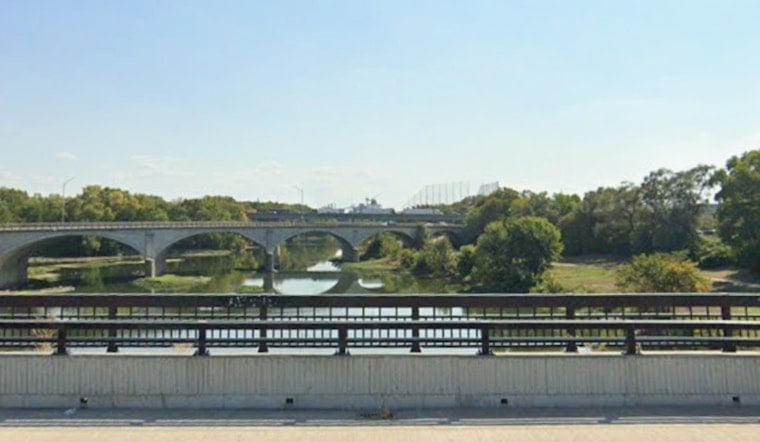
Indianapolis is giving one of its newest river crossings a very old soul. The city has officially renamed the Henry Street Bridge as the Greenlawn Memorial Bridge, a tribute to the pioneers and Black residents buried in the 19th-century Greenlawn Cemetery uncovered beneath the project site.
The move follows months of archaeological digging in the bridge right-of-way that turned up human remains and 19th-century burial objects, forcing the long-planned span to double as a memorial.
A community advisory group selected the new name, and the Indianapolis Board of Public Works signed off on it, according to reporting. The vote cemented the change at the board’s Thursday meeting, as reported by the Indianapolis Star.
Archaeology at the site: more than 1,700 grave shafts
The city’s consultant, Stantec, wrapped up excavation of the Henry Street right-of-way in late 2025 and logged roughly 1,709 grave shafts in the 1.5-acre dig area, many of them containing human remains. Archaeologists photographed and cataloged burial goods, including necklaces, brooches and dolls, which officials say will be analyzed, inventoried and held for reinterment.
City officials detailed these findings and handling procedures in Indy DPW statements, with analysis of osteological and genealogical data still underway, according to information shared via WRID Infrastructure.
A burial ground since the 1820s
Greenlawn began operating as Indianapolis’s first burying ground in 1821 and grew through the 19th century into a larger complex that historians say eventually covered about 25 acres before the city halted new burials in 1890. For years, local historians and preservationists have warned that repeated redevelopment left parts of those early burial grounds poorly documented and vulnerable to being missed.
Those concerns, and the basic outline of Greenlawn’s history, are laid out in local histories and reporting. See local histories such as the Encyclopedia of Indianapolis and coverage from Mirror Indy.
Trail expansion, campus connections and costs
The bridge is not just about the past. It is a linchpin in a broader White River corridor plan that stretches a one-mile westward extension of the Indianapolis Cultural Trail toward the White River Innovation District and the new Elanco campus, tying those areas back to downtown.
The Cultural Trail expansion is pegged at about $21.2 million, with state and city partners helping to cover the segment that includes the Henry Street span. The Henry Street Bridge itself has been described as a separate and larger investment in other city materials, and officials say the extensive archaeological work has pushed costs higher. Those estimates and project details appear in a Cultural Trail release and in reporting by the Indianapolis Business Journal.
What neighbors and historians say
Preservation advocates and members of the advisory group see the renaming as part of a larger attempt to make sure people who were literally built over are no longer figuratively erased.
“This history is so critical,” said Eunice Trotter of Indiana Landmarks in local coverage about the site and the excavation. Archaeologists working the dig have emphasized that the follow-up work, from cataloguing artifacts to osteological analysis and record-matching, is meant to recover names and context before any final reburial, according to coverage and quotes in WRTV and reporting in Mirror Indy.
Next steps for remains, memorialization and construction
Human remains recovered during the excavation have been moved to an Indiana University-Indianapolis lab for analysis. The city says both the remains and their associated artifacts will be securely stored until proper reinterment in an appropriate cemetery can be arranged.
Indy DPW has pledged to release research findings as osteological and genealogical work continues, and to incorporate memorial elements into both the Cultural Trail extension and the bridge design. City officials have also linked the formal renaming to those memorial plans and to the community input that shaped them, according to Indy DPW statements published via WRID Infrastructure and coverage in the Indianapolis Star.
Officials say the Greenlawn Memorial Bridge is expected to function as a key transportation link while also serving as a place to recognize the people buried on the site. Construction and trail work are projected to wrap in the coming months, even as archaeological analysis continues to roll out to the public. For those wanting documentation and updates, Indy DPW project pages and recent local reporting compile the public releases and meeting notes tied to Greenlawn and the Henry Street project, as referenced in the materials linked above.





