

























































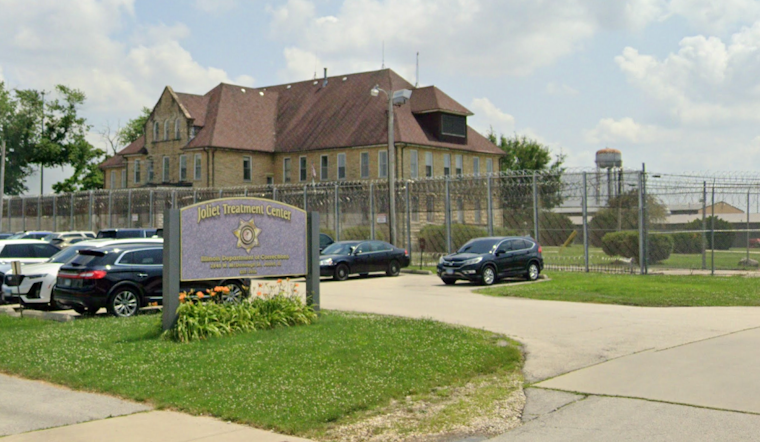
At a prison built to be Illinois’ flagship mental-health hub, the flames just keep coming.
More than 70 fires have broken out at the Joliet Treatment Center since 2023, including at least a dozen cases where incarcerated men set themselves on fire and two deaths. The pattern that emerges points to repeated failures in fire protection, medical care and emergency response at a facility specifically designed to provide intensive mental-health treatment.
An investigation by The Marshall Project, published with WBEZ and the Chicago Sun-Times, pulled together records, surveillance video and interviews. Reporters found the center logged roughly three fires a month in the year before June 2024. Men at Joliet described long stretches in isolation, canceled therapy groups and a growing sense of hopelessness that sometimes led them to set cell fires simply to get someone to respond.
Systemic Safety Gaps And Delayed Care
State inspections and interviews found that the wing where many fires began did not have working sprinklers. Inspectors also noted alarms that were disconnected or inoperable and said the prison could not produce a written evacuation plan, according to reporting by the Chicago Sun-Times.
Fire department incident reports and video show that a rescue ambulance carrying one badly burned man was held at the prison gate for nearly 28 minutes while staff argued about paperwork. Local fire officials told reporters that kind of delay can be the difference between life and death.
The Night Jason Stephens Was Pulled From A Burning Cell
Security-camera stills show corrections officers aiming a fire extinguisher through the food slot of cell A9 on July 27, 2024, as smoke thickened and the man inside, Jason Stephens, remained locked in, The Marshall Project reports.
Firefighters later found Stephens unconscious in a smoke-filled cell. He was taken by ambulance and died two weeks later after doctors performed a tracheotomy. The medical examiner listed his cause of death as complications from inhalational injuries due to a mattress fire.
Fires Continued After The Death
According to state and prison records reviewed by reporters, more than 60 additional fires broke out at the Joliet Treatment Center after Stephens’ death, including at least eight self-immolations. Another incarcerated man, Latrell Edwards, died months later after flames were seen under his cell door in November 2024, the Chicago Sun-Times found.
Former employees and outside monitors told reporters that after 2020 the facility shifted toward stricter lockdowns and fewer therapeutic hours. Staff and incarcerated men said the clampdown did not calm things down and instead made the crisis worse.
Officials, Oversight And Ongoing Litigation
The Illinois Department of Corrections has declined to release a full investigative report about Stephens’ death while litigation moves forward. The department’s public materials state that the Joliet Treatment Center opened in 2017 as part of a court settlement meant to improve mental-health care in Illinois prisons.
Outside monitors and advocacy groups say the treatment side has been eroding. They have tracked declining services and raised alarms about staffing levels and medical-contract changes in recent years, according to monitoring notes by the John Howard Association and agency filings.
What The Rules Require
Under state rules, prison facilities must maintain working sprinklers and fire alarms, keep written evacuation plans and train staff in fire-notification procedures, per the Illinois administrative code. Legal experts told reporters that documented lapses and delays in getting people to outside medical care could expose the department to civil lawsuits or even federal oversight if regulators conclude there are systemic violations of the duty to protect people in custody.
Reporting by The Marshall Project, WBEZ and the Chicago Sun-Times is ongoing. The news organizations, along with public-interest lawyers, are pressing for full investigative records and for state agencies to address what critics say are persistent and unacceptable safety gaps at the Joliet Treatment Center.





