

























































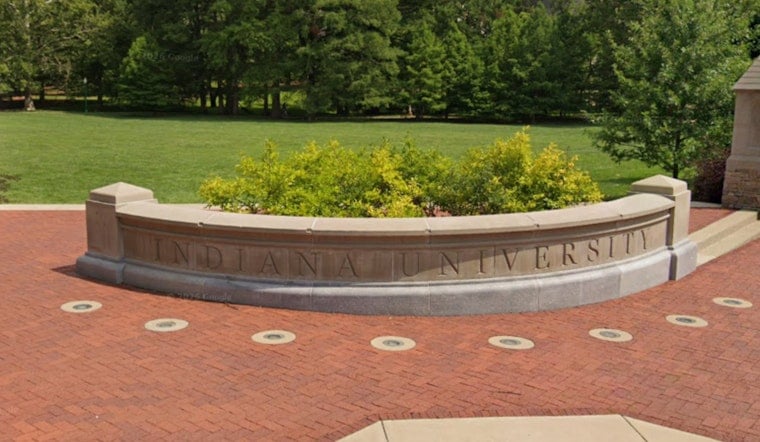
An Indiana judge has signed off on a controversial law that hands the governor the power to appoint every member of Indiana University’s Board of Trustees, ending more than a century of alumni elections to the board.
Special Judge Erik Allen on Friday granted summary judgment to the state, upholding the statute that cut out alumni voting and confirmed that the governor will now select all nine trustees. The law still requires that a majority of trustees be IU alumni, but those alumni will no longer arrive via the ballot box.
Judge Says IU’s Quirky Past Justifies Today’s Power Shift
In his written ruling, Allen leaned heavily on the university’s long and unusually flexible governance history, noting that the IU board’s structure has been changed in state law 11 times since IU was founded in 1820. Those unique traits, he said, gave lawmakers room to tweak the current setup, according to the Indiana Capital Chronicle.
The judge agreed that plaintiff and IU alumnus Justin Vasel had the legal standing to bring the case, but he rejected the argument that the new system uniquely disenfranchised him or other alumni. In a key line, Allen wrote, “Even if HEA 1001 is special, it is justified by a unique characteristic of IU’s board.”
What Exactly Changed Under HEA 1001
The disputed language was tucked into the state’s biennial budget and eliminated three trustee seats that had been directly elected by IU alumni since the late 1800s, according to The Republic.
Under House Enrolled Act 1001, every one of the nine trustees is now appointed by the governor. State law still says that most of those trustees must be IU alumni, but alumni will no longer hold their own elections to fill any of the seats.
The American Civil Liberties Union of Indiana, which filed the lawsuit on behalf of Vasel, argued the law improperly singled out Indiana University and violated the state constitution’s ban on special legislation, according to the ACLU of Indiana. The original court challenge landed in May 2025, a fight first spotlighted for readers in Hoodline coverage under the headline Lawsuit Challenges Governor Braun.
Why IU’s Board Makeup Packs A Punch
The Board of Trustees is not just a ceremonial club. It signs off on IU’s budget, sets tuition and fees, and approves major academic programs, which means its decisions land squarely on students’ bills and faculty workloads and donor priorities, according to reporting by the Indiana Daily Student.
Critics warn that shifting all appointment power to the governor sidelines alumni in the university’s biggest decisions and risks injecting more raw politics into what had long been a somewhat insulated governance process.
What Happens Next In The Legal Fight
Allen’s ruling came in the form of summary judgment for the state, which clears the law for now but does not necessarily end the battle. The decision can be appealed, and the ACLU has said it is reviewing its options, according to The Republic. Vasel and allied advocacy groups have signaled they are weighing a next move that could send the dispute to an appellate court in the coming months.
Until an appeals court says otherwise, the governor’s appointees will continue to run the table on the IU board under the new system. A future ruling will determine whether alumni ever regain a direct vote in who governs Indiana University or whether the governor’s exclusive appointment power becomes the new normal in Bloomington.



