

























































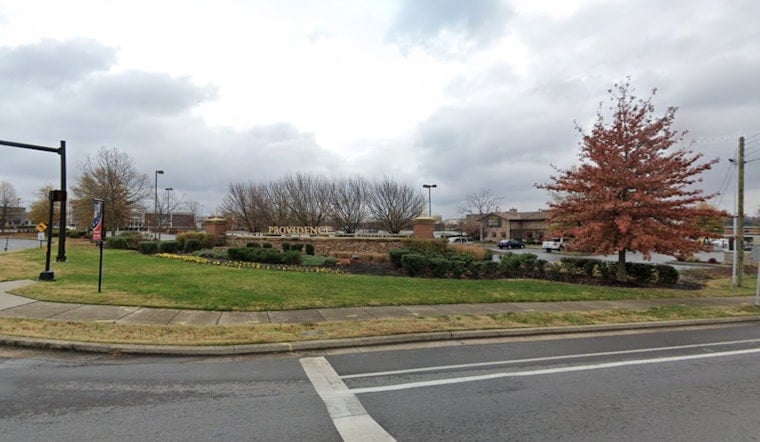
Trying to land retail space in the Mount Juliet-Lebanon corridor right now feels a bit like hunting for a parking spot on Christmas Eve. The strip east of Nashville has only about 123,000 square feet of retail space up for grabs - a fraction of what used to be on the market - and the crunch has dragged on for years. Landowners and developers point to steady household growth and a run of big-box and restaurant deals that keep demand running hot.
Data from CoStar shows the Mount Juliet-Lebanon retail market sitting at roughly 123,000 square feet available, an availability rate of about 1.2 percent. The rate has stayed under 2 percent for the past four years. Across the broader Nashville market, CoStar reports availability closer to 3.4 percent, a gap that underlines just how thin retail options are on the east side of the metro.
That scarcity has not scared off tenants. Big national names are still pushing into the corridor, and recent deals show that if space opens up, someone is ready to sign on it. One example is a giant Havertys showroom at Providence Marketplace, and smaller chains continue to circle endcaps and drive-thru pads. Those wins help explain why landlords can be choosy and why any decent block of space tends to disappear quickly.
Why Space Is So Tight
Analysts say the crunch in Mount Juliet-Lebanon is part local story, part national pattern. Across the country, there has been a pullback in retail construction while suburban demand keeps chugging along. Research from Marcus & Millichap shows new retail deliveries remain far below long-run averages, which keeps vacancy rates compressed and pushes tenants toward existing centers. Closer to home, limited developable land around key corridors such as Golden Bear Gateway and Providence Marketplace concentrates demand into a small cluster of shopping hubs.
What It Means For Tenants And Landlords
For retailers, a market this tight usually translates into higher asking rents, fewer choices for large-format locations and a growing willingness to accept nontraditional layouts or longer lease terms. On the flip side, landlords can lean into the leverage, pressing for stronger tenant credit, higher rents or pre-leased commitments when new product comes online. Local development activity, including Legacy Pointe and other mixed-use concepts, signals that owners are working to cash in on demand while planners weigh how to add more space responsibly, according to Texas Roadhouse staking its claim by the Mt. Juliet Costco.
What To Watch Next
All eyes now are on whether proposed anchors or grocery deals actually land. A single big-box relocation can free up several adjoining spaces, which might finally give larger tenants some breathing room. CoStar lists Park 840 Logistics Center, LC Lebanon and Everette Downs among the few properties currently on the market, a short roster that underscores how few meaningful parcels are left. If new construction or anchor moves pick up steam, availability could loosen gradually. If not, the corridor is likely to stay one of the Nashville area's most competitive retail stretches.
For now, anyone hunting for space east of Nashville should expect longer searches, more creative store footprints and a premium price tag on the best corners. In Mount Juliet-Lebanon, retail is still very much a landlord's game.





