

























































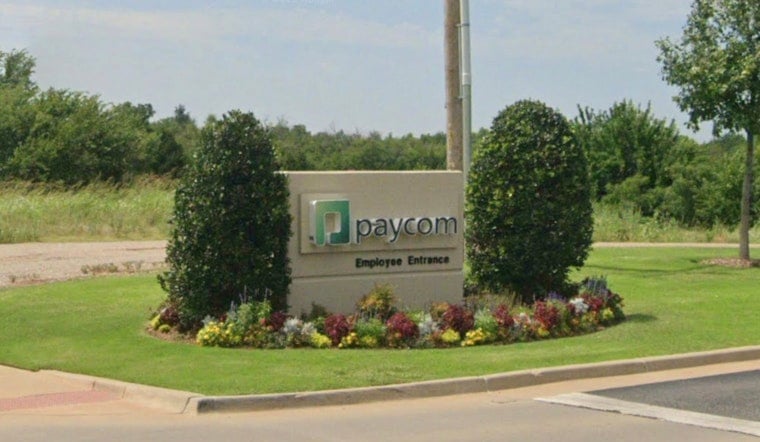
Federal regulators say an Oklahoma City payroll powerhouse crossed the line when it fired a worker whose life-threatening food allergy kept sending her to the hospital from the office.
In a new federal lawsuit, the Equal Employment Opportunity Commission accuses Paycom Payroll LLC of illegally terminating an employee after she suffered repeated, severe allergic reactions at work. According to the complaint, the worker had multiple reactions on site, including two that ended with ambulance rides, and company efforts to shield her from the allergen were short-lived and ineffective. At the heart of the case are her requests for either a secluded workspace or permission to work remotely, which she says Paycom rejected despite medical documentation backing those accommodations.
According to News On 6, the EEOC filed the complaint in Oklahoma federal court, alleging Paycom failed to provide reasonable accommodations required under the Americans with Disabilities Act. The outlet reports the employee began suffering severe reactions shortly after being hired and that Paycom fired her the day after her most serious reaction in June 2024. The EEOC argues in its filing that the company did not properly engage in the interactive accommodation process before letting her go.
What federal law requires
Federal disability law requires employers to provide reasonable accommodations to qualified employees unless doing so would create an undue hardship, according to EEOC guidance. Severe, life‑threatening food allergies can qualify as disabilities that substantially limit major life activities, and courts are increasingly being asked to sort out how far those accommodations must go.
Legal scholars have been probing one particularly thorny question: when employers must alter workplace norms or ask coworkers to change their behavior as part of accommodating a disability. For a recent deep dive into those so‑called third‑party accommodations, see Michigan Law Review.
Allegations in the complaint
Per News On 6, the EEOC says the employee told supervisors and Paycom human resources about her allergy and provided medical documentation that recommended either a secluded workspace or remote work. The lawsuit claims Paycom refused to allow her to work from home despite having work‑from‑home policies, made only temporary tweaks to her workspace and did not ask nearby coworkers to stop bringing the allergen into the area.
The suit says the worker kept suffering reactions at the office, including two that required ambulance transport, and that Paycom terminated her employment the day after the most serious episode.
Legal stakes
If the EEOC proves its claims, the agency can seek injunctive relief, back pay and other remedies aimed at correcting discriminatory practices, according to EEOC guidance. In past disability enforcement actions, the commission has pursued monetary settlements and court orders that required employers to change policies and compensate affected workers.
In this case, how a judge weighs Paycom’s claimed operational needs against the employee’s safety and requested accommodations will likely determine whether the company faces a costly course correction.
Paycom in Oklahoma
Paycom is headquartered in Oklahoma City and operates offices around the country, with corporate contact information posted on its website. The EEOC’s complaint was filed in federal court and is expected to move through discovery and pretrial motions before any trial or settlement.
Beyond one worker and one employer, the case shines a spotlight on how far companies must bend remote‑work rules and office routines when medical risks are not hypothetical but potentially life‑threatening.





