

























































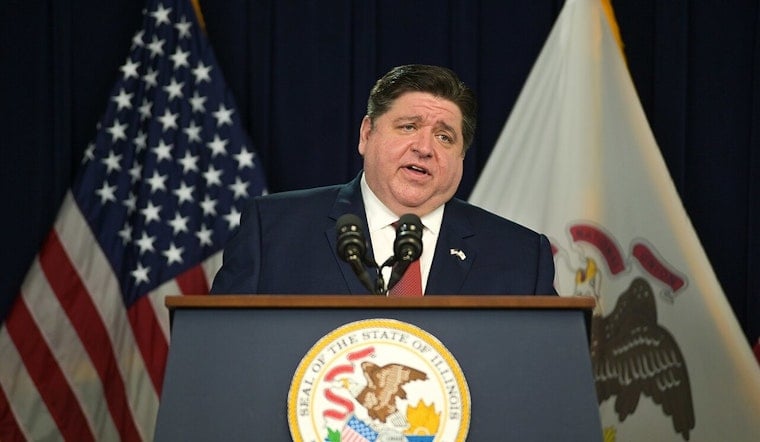
Residents of assisted living and shared housing across Illinois will soon be able to legally keep an eye on what happens in their own rooms. Gov. J.B. Pritzker signed a bill on June 26 that allows video or audio monitoring devices in these settings, a move supporters say gives families a new way to spot neglect or abuse. The law is scheduled to take effect on Jan. 1, 2027.
The measure, HB4517, amends the Authorized Electronic Monitoring in Long-Term Care Facilities Act so that it explicitly covers assisted living establishments and shared housing and has been filed as Public Act 104-0494. According to the Illinois General Assembly, Pritzker approved the bill on June 26 and set Jan. 1, 2027, as the effective date. The amendment updates language by replacing references to "facility" with "facility or establishment" and spells out where notices about electronic monitoring must be posted.
State rules require residents, or their authorized decision-maker, to submit a notification and consent form prescribed by the Illinois Department of Public Health before installing a fixed-position video camera or audio recorder. That form lets residents limit how monitoring works, such as turning off audio or pausing recordings during personal care or medical exams. The IDPH form also explains that facilities may not access recordings without the resident's written consent, although recordings can be shared to address health or safety concerns or used as evidence in civil, criminal or administrative proceedings. The statute and related rules outline who may consent when a resident lacks capacity and require facilities to document and maintain those consent records.
Officials and advocates
Supporters have framed the change as both a safety measure and a way to protect dignity for people living in congregate care. In a state press release via the State of Illinois, the long-term care ombudsman said the law will give families an extra layer of oversight. State Sen. Graciela Guzmán added, "People in assisted living and shared housing deserve safety, dignity and the ability to make informed choices about their own care." Local television coverage of the signing included a segment with Guzmán this week, as reported by FOX 32 Chicago.
How this fits into a national trend
Illinois is moving in step with a broader national trend toward resident-directed monitoring in long-term care. After high-profile reports of abuse in institutional settings, families and advocates across the country have pushed for more transparency by allowing cameras and audio devices in residents' rooms. States that tackle this issue try to balance privacy concerns for roommates and staff with protections that let residents and their families document neglect or crimes in care settings, according to Stateline.
What families should know
If you or a loved one want to install a monitoring device, the resident or an authorized decision-maker must complete the IDPH notification and consent form and submit it to the facility. Unless a different arrangement is made, the resident is responsible for the cost of purchasing, installing and maintaining the equipment. Facilities must make a reasonable effort to accommodate requests in shared rooms, which can include offering a different shared room or a private room that may come with a private-room rate. They must document consent and any later withdrawal of consent in the resident's clinical record. For the practical steps and the exact list of allowed conditions, families are directed to the IDPH form and guidance on electronic monitoring in long-term care.





