

























































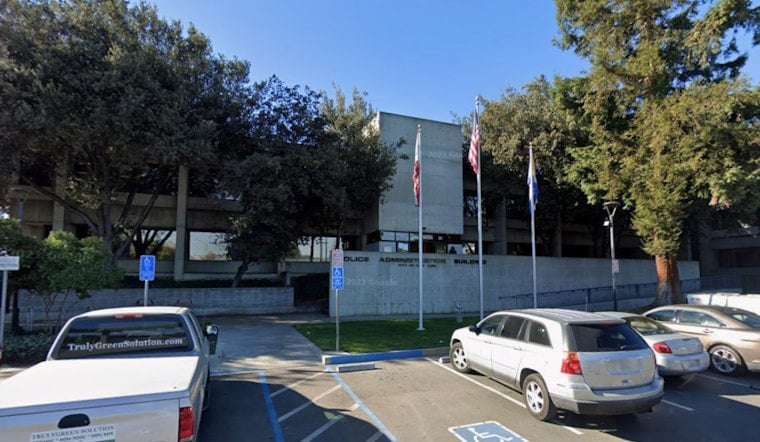
The City of San Jose and the San Jose Police Department are teeing up a pair of community meetings next week to walk residents through plans to use AI assistance in police report writing. One session will be held in person next Wednesday, with a second virtual meeting next Thursday, and both are aimed at explaining how the technology would fit into day-to-day police work and gathering public feedback before anything moves forward.
Meetings and how to join
According to the San Jose Police Department’s post on X, the in-person community meeting is set for 6 PM next Wednesday in the community room at 6087 Great Oaks Parkway. The virtual session will take place at 6 PM next Thursday on Zoom, using Meeting ID 964 7149 3867. The post also includes one-tap mobile numbers for those who prefer to join by phone. For official emergency and non-emergency contacts, residents are directed to the department’s site for current phone numbers and guidance.
Please join the City of San Jose and the San Jose Police Department to learn more about how SJPD plans to use AI Assistance for report writing. Both in-person and virtual community meetings are available. pic.twitter.com/vuBScFGHew
— San Jose Police Dept (@SanJosePD) July 8, 2026
How the technology works
The U.S. Department of Justice’s Office of Community Oriented Policing Services (COPS Office) describes current AI-assisted report workflows as starting with body-worn camera audio sent to cloud services. Those services transcribe the recording and generate a first-draft narrative that officers then review, edit, and sign. Vendors discussed nationally include Axon’s Draft One and Truleo’s Field Notes, and the COPS Office recommends training, supervisor review, and periodic audits as standard safeguards during any rollout.
Local pilots and reported savings
Several law enforcement agencies in California have already piloted similar tools. Reporting indicates that Fresno estimated saving roughly 23 minutes per report, while other Bay Area trials, including tests cited by local trade reporting, have suggested time savings of around 40% for certain low-level incidents. Those early pilots are the core of the efficiency case departments are making for AI-assisted report writing, even as concerns about accuracy and reliability continue to hang over the technology.
Legal and privacy questions to watch
Civil-liberties advocates are not exactly sold. They warn that automating narrative drafting can make it harder to see how details were gathered, introduce or amplify bias, and complicate evidentiary review in court. The ACLU has urged caution and recommended that departments not allow officers to rely on AI for drafting reports. Meanwhile, the City of San José, which has been exploring broader citywide AI tools and issued a request for proposals for a generative AI platform last year, has said it is seeking privacy-first and secure systems with administrative controls and oversight built into procurement.
What residents should ask
For residents planning to attend, the meetings are a chance to push for specifics. Key questions include which vendor or vendors are under consideration, which incidents will be off-limits for AI assistance, how draft versions and audit logs will be stored, and who will be allowed to access raw body-worn camera recordings. Attendees may also want clarity on what training officers will receive and how supervisors will audit AI-assisted reports to catch errors and bias. The answers will shape how much oversight the technology gets and whether it stays confined to low-level, administrative reports or moves closer to higher-stakes cases.
The San Jose Police Department’s social post includes the Zoom link and one-tap phone numbers for mobile users. For non-emergency police matters, residents can call 408-277-8900, and for emergencies, they are instructed to call 911. City and department officials say they will use feedback from these community sessions as they decide on next steps for any pilot program or procurement.



