

























































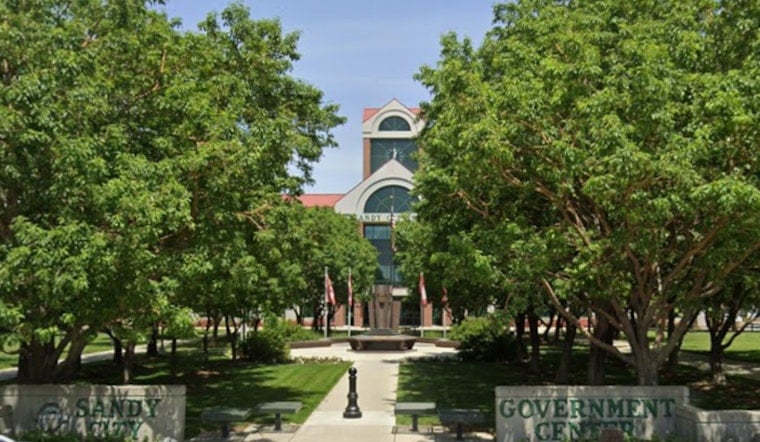
On July 7, the Sandy City Council overrode Mayor Monica Zoltanski's line-item veto, stripping the city's FY 2026-27 contribution to the Central Wasatch Commission and steering that money into local capital projects instead. The move means Sandy will stop paying dues to the CWC unless the city later follows formal withdrawal procedures in the interlocal agreement. It also cranked up an already heated fight over watershed protection, canyon transportation, and who gets to call the shots on spending in those battles.
As reported by the Sandy Journal, the council's vote wiped out the mayor's veto and reallocated most of the roughly $95,000 that had been set aside for the CWC. Councilmember Marci Houseman told colleagues the issue was about preserving the council's authority over appropriations. The decision followed weeks of public comment and debate over whether the CWC has delivered on its long-term promises for the canyons.
City budget records and the council's adopted resolution show that the amendment pulled $93,100 out of the Water Operations Fund and $1,900 from the General Fund, a total of $95,000. The larger share was earmarked for water mainline replacements and other one-time capital projects, according to the FY 2026-27 budget packet, which describes the change as a reprioritization of limited local dollars toward immediate infrastructure needs. The same documents outline a series of other amendments that reshaped the tentative spending plan, according to records from Sandy City.
Commission grants and the broader context
In late June, the Central Wasatch Commission signed off on funding for a dozen short-term projects, including watershed education efforts, trail stewardship work, and an expansion of a free shuttle to Guardsman Pass. The commission says these smaller initiatives both protect the Central Wasatch and help test lower-impact transportation options. That timing gave Sandy's argument an extra edge: supporters of staying in the CWC point to those grants as proof the body is producing real-world results, while critics counter that the commission has fallen short on several of its bigger, long-range objectives. The full list of recipients and projects appears in the commission's own announcement from the Central Wasatch Commission.
Mayor's veto and her argument
Mayor Monica Zoltanski tried to keep the CWC funding alive with a line-item veto, arguing that Sandy's local dollars, combined with state and federal actions, could help safeguard the watershed and guide canyon transportation fixes. Her formal veto letter, included in the city's meeting packet, characterizes the contribution as a local investment in long-term canyon protections and multi-jurisdictional coordination, according to a document from Mayor Zoltanski. That set the stage for the council's July 7 reconsideration and eventual override.
Public comment and the local split
Residents who weighed in at the council hearing lined up on both sides. Some warned that cutting cash and clout at the CWC could weaken coordinated defenses of the watershed and regional opposition to projects like the proposed Little Cottonwood Canyon gondola. Others applauded the council for redirecting scarce money toward concrete local infrastructure needs. Council chair Cyndi Sharkey and other members argued that the commission has missed the mark on several of its Mountain Accord goals, a criticism that helped drive the budget change. Local coverage described dueling testimonies and a tense mood in those July meetings, according to the Sandy Journal.
How this works legally and what is next
Utah law allows a mayor to veto all or part of an appropriation, but the city council can override that decision with a two-thirds vote. That is why the July 7 action locked in the altered appropriations even without the mayor's signature, according to Utah Code 10-3b-204. At the same time, the CWC's interlocal agreement, along with a memo in the public packet, explains that any member city that wants out must submit written notice of withdrawal at least 90 days before the chosen effective date. So Sandy's political decision to defund the commission is not, on its own, an immediate administrative exit from membership, according to a Sandy City memo.
For now, the council has made clear it prefers to put local water and infrastructure projects ahead of continued dues to the CWC. The bigger questions still hanging in the canyon air are whether Sandy will file a formal withdrawal notice, how exactly the redirected money will be spent, and how the commission and neighboring cities will respond. Those choices will determine whether this budget vote ends up as a short-term shot across the bow or the opening move in a broader reshuffling of regional canyon planning.





