

























































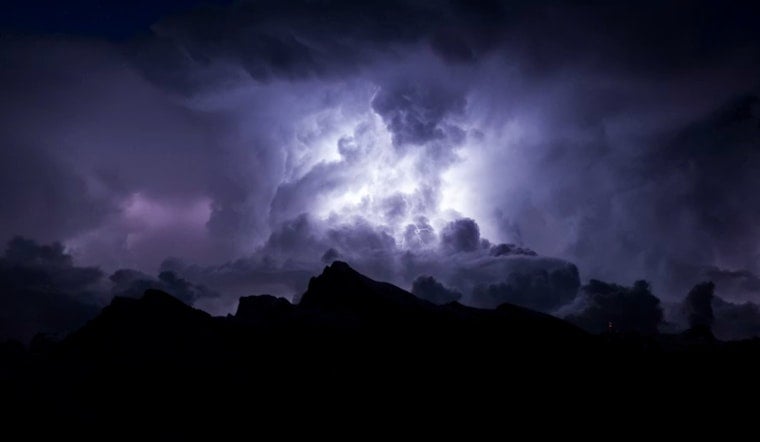
A punchy line of fast-moving thunderstorms rolled across western North Carolina on Friday afternoon after a National Weather Service special weather statement lit up alerts across the region. Forecasters warned the storms could whip up pea-sized hail, wind gusts up to 40 mph and frequent lightning, with quick-hitting cells targeting mountain communities from Buncombe to Rutherford counties in the early afternoon. Radar showed one especially strong storm near Swannanoa tracking east toward Lake Lure and Old Fort.
According to The News & Observer, the National Weather Service Greenville-Spartanburg office issued the special weather statement at about 12:41 p.m., setting up a warning window through the early afternoon and urging people to head for shelter as storms approached. The advisory called for hail up to 0.25 inches in diameter and wind gusts near 40 mph that could knock down tree branches and toss around unsecured items in yards and on porches.
Storm track and hazards
As detailed by the National Weather Service, Doppler radar pegged the strongest thunderstorm at about 8 miles east of downtown Asheville, near Swannanoa, moving east at roughly 30 mph. Forecasters said the greatest impacts would come through the early afternoon, with gusty winds and minor hail capable of causing localized damage and bringing down limbs.
Towns on alert
Communities highlighted in the advisory and noted by The News & Observer included Black Mountain, Swannanoa and Fairview in Buncombe County, along with Lake Lure, Old Fort and Chimney Rock Village in neighboring counties. Officials encouraged residents in those areas to stay plugged into local radio, weather apps and NOAA alerts as the storms moved through.
How to stay safe
The National Weather Service advises heading into a sturdy building at the first rumble of thunder and staying away from corded phones, plumbing and windows once inside. The agency also recommends waiting at least 30 minutes after the last clap of thunder before going back outdoors. For a deeper dive on lightning risks and how to avoid them, check the National Weather Service, which notes the United States sees about 25 million lightning strikes each year and roughly 20 lightning-related deaths annually.
We will update this post if the National Weather Service upgrades or extends its warnings. Anyone with outdoor plans this weekend would be wise to keep an eye on the forecast and have a quick shelter plan ready to go.




