

























































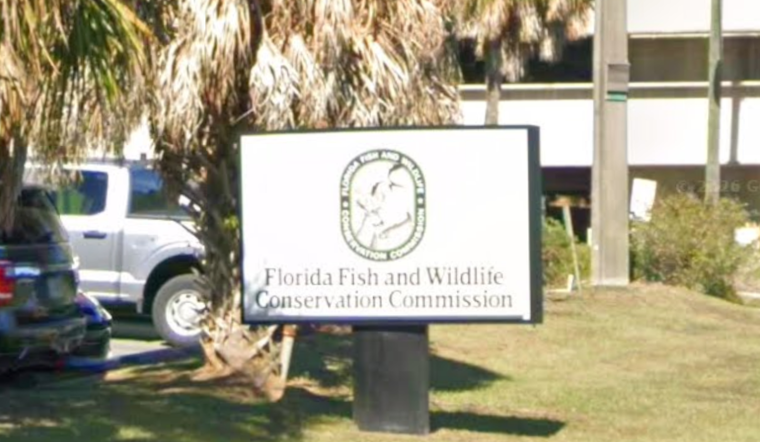
Florida's Fish and Wildlife Conservation Commission is facing serious heat after using law-enforcement access to the state's DMV database to pull driving records on at least a dozen outspoken critics, according to records and reporting. Targets included Bear Warriors United founder Katrina Shadix and documentarian Brent Fannin, and one activist's record was accessed dozens of times. Many of the searches were logged under "criminal investigation" files, even though agency spokespeople later said there were no active investigations into those critics. The revelations have sparked calls for oversight and possible legal action from activists and lawmakers.
As reported by the Florida Phoenix, FWC law-enforcement staff tapped the Driver And Vehicle Information Database, known as DAVID, to look up names, addresses, license photos and transaction histories for people who had publicly clashed with the commission. The Phoenix notes that Shadix’s driving record was queried repeatedly between 2023 and 2025 and that several opponents of the agency’s bear-hunt plans showed up on the list.
Records obtained by reporters show that two FWC employees pulled Fannin's driving records seven times in April and June 2025, with "criminal investigation" listed as the reason for the lookups, according to the Tampa Bay Times. The Miami Herald reports that FWC chair Rodney Barreto acknowledged the checks and said commissioners had received threats during debate over the bear hunt, which he said prompted safety checks.
What DAVID Holds And Why It Matters
The DAVID system carries highly sensitive personal data, including Social Security numbers, medical-disability notations, addresses, signatures and driver's-license photos, and access is strictly limited to specific, official uses. Lawmakers tightened penalties in 2021 after investigations found widespread improper access. News4JAX reported that audits and probes documented hundreds of questionable queries, which pushed the Legislature to increase fines and add training requirements.
Legal Questions And Possible Penalties
Federal law under the Driver's Privacy Protection Act (18 U.S.C. § 2721) limits who may obtain or use motor-vehicle records and sets out civil and criminal remedies for unauthorized disclosures. The statute lists specific permissible uses and the damages available for violations. If agency staff used a "criminal investigation" code as a pretext to pull the records of vocal critics, those individuals could pursue federal privacy claims and statutory damages, and the state could face enforcement for systemic misuse under both federal and state rules. For the statute text and permissible uses see 18 U.S.C. § 2721.
FWC Pushes Back As Critics Talk Lawsuits
FWC communications director Shannon Knowles told reporters, "Claims that the FWC misuses or weaponizes its law enforcement authority are false," and said the agency monitors threats and security risks at meetings. Critics were not buying it. Shadix called the searches an abuse of power and said attorneys are exploring lawsuits over what she described as surveillance of citizens who speak out on conservation issues, according to the Florida Phoenix.
Lawmakers and civil-rights attorneys told local outlets such as the Tampa Bay Times that they expect inquiries into whether the rules were followed, and some activists say they plan to sue. The episode adds to a string of controversies at FWC and could set the stage for new oversight in Tallahassee if legal challenges move forward, observers say.




