

























































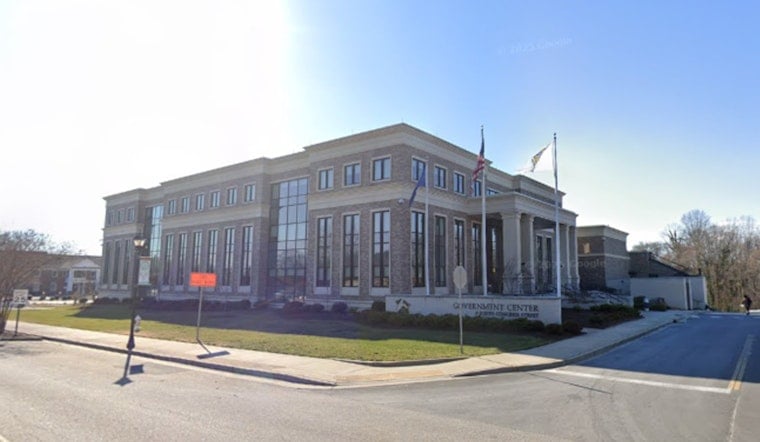
York County Council has slammed the brakes on most new data centers in the county’s unincorporated areas, approving a nine-month moratorium Monday night that took effect on the spot. The vote was 6-0, with council member William “Bump” Roddey absent, and it effectively freezes new data center approvals through April 2027 unless council decides to extend the pause.
What the pause covers
The ordinance temporarily blocks the county from accepting site plans or issuing special exceptions, conditional use permits or any other land use approvals for new data centers and tells staff to hold pending applications in limbo, according to the Fort Mill Sun. It relies on the county code’s definition of a data center, which local reporting notes covers both large-scale server farms and cryptocurrency mining operations, and it carves out an exemption for projects that already have civil site plan approval. The moratorium lasts nine months from the date of adoption and can be extended by a future council resolution.
What the county will study
During the pause, county staff have marching orders to lay out a plan and schedule to study noise, groundwater, utility rates, energy infrastructure, environmental side effects such as waste heat and the fallout for neighboring properties, according to York County. The county’s information page notes officials may bring in industry experts to help sort through the technical details, and the moratorium is explicitly meant to guide updates to zoning and land use rules. Those studies are expected to drive any code changes aimed at handling the heavy power, water and infrastructure demands of hyperscale facilities.
QTS campus and exemptions
One major project already on the ground is QTS, which has pieced together hundreds of acres for a multi-building data center campus near Hands Mill Highway and Campbell Road. Local coverage has tracked the company’s land buys and phased buildout, the Rock Hill Herald reported. Because some phases of the QTS plan already have site plan approvals, those portions can continue under existing permits, while later phases without vested rights will fall under the new moratorium. How much work can legally keep moving will hinge on a close reading of South Carolina vested rights law and exactly what was included in earlier approvals.
Residents pushed for a pause
Neighbors and community groups have been pressing county leaders since the spring, filling public comment sessions and warning about nonstop generator noise, aggressive tree clearing, heavy water use and potential hits to property values, according to local TV and news reports. Coverage by WSOC showed residents asking pointed questions about whether already approved phases would be locked in under current rules while future buildings get tougher standards. That steady public pressure helped move the moratorium from a talking point to a top-priority vote this month.
Next steps and legal frame
County staff now have to come back to council with a formal study plan and proposed zoning text amendments, and officials will weigh whether to hire outside experts to guide the more technical reviews, WRHI reported. Earlier this year, York County invoked the pending ordinance doctrine to make new rules effective while revisions are still being written, a procedural move that is likely to feature in any fights over vested rights. In the months ahead, expect council meetings to drill into who pays for utility upgrades, how far data centers must be buffered from homes, what limits to place on backup generators and how those rules will kick in once the moratorium expires.




