

























































This summer, a long-scarred sawmill yard at the southern edge of Redwood National and State Parks is getting a full identity reset. The once-bleak expanse of asphalt has been pulled up and replaced with reconnected floodplain and wetlands, tens to hundreds of thousands of native plants, and new trails that plug straight into the surrounding parks. Tribal leaders and park partners say the turnaround marks a new chapter of Indigenous stewardship and public access at the doorstep of some of the planet’s last old-growth redwood groves.
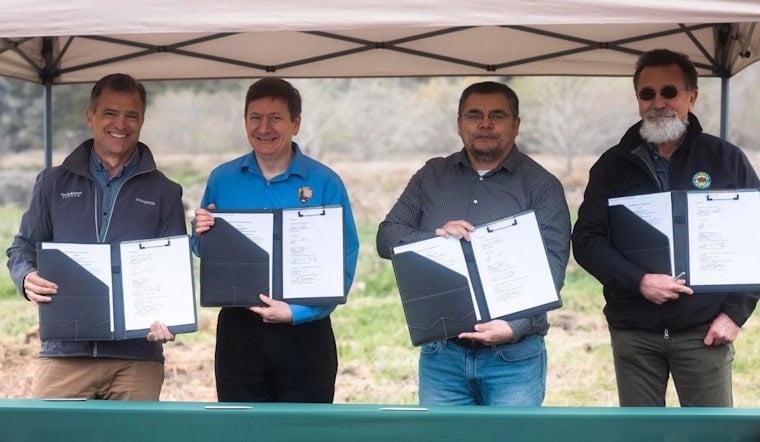
According to Save the Redwoods League, the 125-acre property, known in Yurok as 'O Rew, will be conveyed to the Yurok Tribe this summer as partners finish Prairie Creek restoration work and new visitor amenities. The National Park Service says the agreement creates a first-of-its-kind setup in which park agencies support public visitation on land that is owned and stewarded by a Tribe, including trail connections to the popular Lady Bird Johnson Grove.
Creek, ponds and wildlife brought back to life
Restoration leaders report that crews stripped out more than 20 acres of paving, reshaped the floodplain, and carved out backwater ponds to create rearing habitat for coho, Chinook, and steelhead, according to California Trout. The Yurok Tribe’s project pages describe extensive revegetation and stream reconnection work, and note that thousands of juvenile salmon and other wildlife are already using the restored stream and wetlands. Together, partners say, the site now supports a patchwork of riparian and wetland habitats that had been cut off for decades by industrial activity.
Funding and partners that made it possible
Public grants and federal restoration dollars helped close the funding gap and move the design work from blueprint to reality. The project received multi-million dollar awards from agencies including the California State Coastal Conservancy, the National Oceanic and Atmospheric Administration and the Wildlife Conservation Board, with the latter calling out specific grants for instream habitat and public access projects. The State Coastal Conservancy has served as the lead public funding partner during the final implementation phase, according to project documents from the Conservancy.
History and local economic impact
For much of the 20th century, the property was home to the Orick sawmill, which left the valley paved over and walled off from its natural floodplain until the mill finally closed in 2009. Restoration partners say cleaning up that legacy also gave the local economy a lift. California Trout reports that the effort pumped roughly $33 million into the region while crews relocated thousands of aquatic species and planted broad swaths of native vegetation.
What’s next at 'O Rew
Partners now see 'O Rew as both a welcoming visitor gateway and a hub for Yurok culture. The Tribe plans to build a visitor and cultural center alongside a traditional village with plank houses and a sweat house, designed to support living-culture programs for both community members and visitors. As Save the Redwoods League quoted Tribal Chairman Joseph L. James, the project “creates a new conservation model that recognizes the value of tribal land management.” The restored landscape is expected to open for public visitation this year, with the Yurok Tribe leading long-term stewardship and programming at this new front door to the redwoods.



