

























































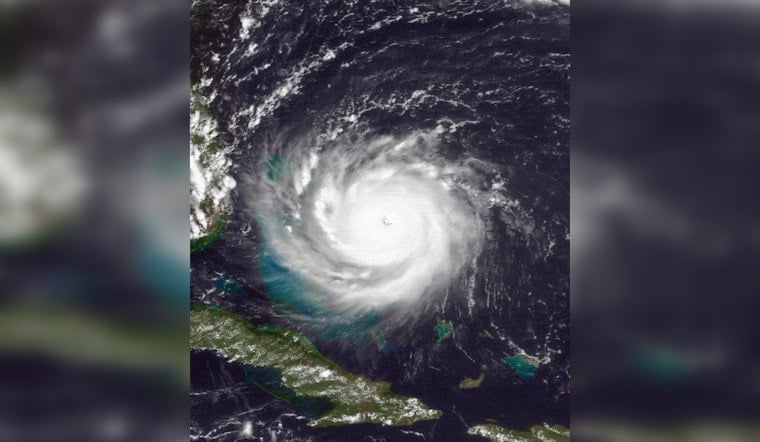
Hurricane Andrew struck south Florida at dawn on August 24, 1992, hammering Homestead and the rest of south Miami-Dade with sustained winds of 165 mph and gusts that topped 200 mph. The storm made landfall near Homestead Air Force Base, destroyed 25,000 homes and damaged more than 101,000 others across south Florida, and killed 15 people in Miami-Dade County, with at least 25 additional deaths indirectly attributed to the disaster. More than three decades later, the storm's fingerprints are still visible in the region's building codes, insurance market, and population map.
Andrew was originally classified as a Category 4 storm with landfall winds of 145 mph and landfall gusts of 175 mph, according to the Miami Herald. A decade later, in August 2002, the National Hurricane Center officially upgraded it to a Category 5 after a meteorological re-analysis confirmed peak sustained surface winds had actually reached 165 mph, according to the National Oceanic and Atmospheric Administration. That reclassification cemented Andrew's place as one of only four Category 5 hurricanes ever recorded to strike the U.S. mainland.
The storm displaced families and destroyed parts of south Miami-Dade, flattening entire neighborhoods overnight. Harold Keith returned to find his home in Florida City flattened, and his trailer park left in ruins, per the Herald's archival account. Richard Colon's family said they had not seen officials or help since the storm destroyed their home, as of August 27, 1992. The Saga Bay apartment complex was blasted by the storm's force, and Marjorie Conklin, in the storm's sweltering aftermath, cooled off in a tub of water filled with a garden hose.
A Newsroom Documents the Devastation
The Miami Herald published a special edition on the day Andrew arrived in south Miami-Dade, and followed with a section front titled “Destruction at Dawn” the next day. Days later, as relief efforts struggled to keep pace with need, the paper's front page carried a stark headline: “We Need Help.” Broadcaster Bryan Norcross broadcast throughout the storm in 1992 and debuted the first version of the hurricane cone of uncertainty that same year, a tool that would go on to shape how Americans track storms for decades.
Amid the wreckage, small acts of resilience stood out. Chris Schere erected a personal symbol of hope in a trimmed tree on September 4, 1992. At Miami Metrozoo, later renamed Zoo Miami, staff member Ron Magill and colleagues rounded up flamingos and put them in a bathroom for safety as the storm approached. A NOAA satellite image captured the moment Andrew made landfall near Homestead Air Force Base, a picture that has become one of the storm's defining images.
From Insurance Collapse to a New Building Code
Before Andrew, Florida operated under hundreds of disparate local building codes with inconsistent enforcement, according to the International Code Council. The storm's destruction of tens of thousands of homes forced the state to establish the unified 2002 Florida Building Code, replacing more than 400 separate local codes and creating High Velocity Hurricane Zones in Miami-Dade and Broward counties that require impact-resistant glass and reinforced roof connections.
The financial fallout was just as severe. Andrew caused an estimated $15.5 billion in insured property losses and more than $27 billion in total damages in 1992, driving at least 11 property-casualty insurance companies into bankruptcy, per the Insurance Information Institute. During a November 1993 special legislative session, Florida lawmakers created the state-backed Florida Hurricane Catastrophe Fund under House Bill 31-C to provide mandatory, below-market reinsurance to primary property insurers trying to stay in the state, according to the Florida Senate. In 2002, lawmakers went further, establishing Citizens Property Insurance Corporation by merging existing state underwriting pools into a public, non-profit insurer of last resort that has since grown into the state's largest residential property insurer.
Andrew also reshaped how the insurance industry itself measures risk. The storm served as the primary catalyst for the widespread commercial adoption of catastrophe modeling after Karen Clark's model at Applied Insurance Research accurately projected $13 billion in insured losses, far above traditional actuarial estimates of $6 billion, per Insurance Journal. To bridge the capital shortfall Andrew exposed, Wall Street and institutional investors created the catastrophe bond market in 1997, letting insurers offload extreme weather risk directly onto capital markets, according to the Federal Reserve Bank of Chicago.
A Region Remade by Migration and Rebuilding
The human toll extended well beyond the storm's immediate destruction. Andrew displaced approximately 353,000 south Dade residents and caused an estimated 40,000 permanent relocations, with roughly half of those households moving north to Broward County communities such as Plantation, according to the Bureau of Economic and Business Research. That migration fundamentally shifted regional growth patterns for years afterward.
Some of the storm's physical scars took decades to heal. Homestead Army Airfield was severely damaged by Andrew and sat in ruins until it reopened in 1994 as Homestead Air Reserve Base, which today generates roughly $390 million in annual economic activity and supports more than 4,000 jobs across South Florida, Hoodline has reported. The historic Miami Marine Stadium fared worse in the short term: declared unsafe and locked shut after Andrew in 1992, it remained closed for 34 years until the Miami City Commission selected Oak View Group in July 2026 to restore and operate the waterfront venue, a milestone Hoodline covered in its piece on the Oak View restoration deal.
Hurricane Andrew reshaped south Miami-Dade in ways that outlasted the storm itself, sparking rebuilding efforts that contributed to long-term regional resilience even as the scars of that August morning lingered for decades. From the flamingos hidden in a zoo bathroom to the building codes now written into state law, the storm's legacy still shapes how South Florida constructs, insures, and rebuilds itself today.





