

























































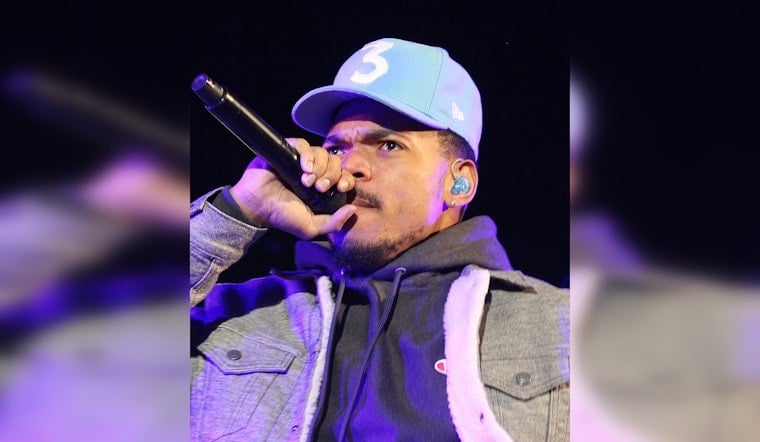
Back in December 2015, Chance the Rapper turned $100,000 into 1,000 winter coats for people experiencing homelessness in Chicago, and each one doubled as a waterproof sleeping bag once night fell. A decade later, the Detroit manufacturer behind those coats has delivered its 100,000th one, a milestone that traces directly back to that original campaign.
The coat drive, called Warmest Winter, raised more than $7,500 within hours of Chance the Rapper's announcement that he was joining the effort, according to The Economic Times, enough to cover 75 coats on day one alone. Each $100 sponsorship at the time covered labor, materials, and overhead for a single coat, and donors who gave could receive Chicago Bulls or White Sox tickets along with a chance to meet the rapper himself. The campaign was scheduled to run through January 13, with the goal of distributing all 1,000 coats around Chicago once it wrapped.
The coats themselves came from Detroit's Empowerment Plan, a nonprofit that manufactures the water-resistant garments and mostly hires homeless parents out of local shelters to build them. The design converts into a sleeping bag or an over-the-shoulder bag when it isn't being worn, and the organization aims to help its workers find secure housing and regain independence for their families through the job itself.
From One Coat Drive to a Detroit Manufacturing Operation
What started as a single-season fundraiser has since become a permanent supply chain. The Empowerment Plan delivered its 100,000th EMPWR coat in March to COTS Peggy's Place in Detroit, its oldest partner shelter, according to Model D Media. The coats are now distributed to unsheltered individuals worldwide, not just in Chicago and Detroit.
Founder Veronika Scott first designed the coat as a student at Detroit's College for Creative Studies in 2010, after a homeless shelter resident told her that unhoused people needed stable jobs rather than handouts, per Real Change News. That conversation shaped the organization's entire model: paid full-time staff spend roughly 60% of their 40-hour workweek manufacturing coats and the other 40% in paid support programming, including GED preparation and financial literacy classes, according to Causeartist. Employees are hired directly from shelters and given housing assistance alongside the skills training.
The sponsorship price has climbed since 2015. By 2023, covering a single coat cost $150 rather than the original $100, reflecting higher labor, material, and domestic shipping expenses, per the Empowerment Plan's own figures. The coats are still built from water-resistant Cordura fabric donated by Michigan workwear maker Carhartt, combined with upcycled automotive insulation from General Motors and other materials, a construction method largely unchanged since the 2015 campaign first described it.
Warmest Winter's Legacy Became a Permanent Chicago Institution
Chance the Rapper's involvement with the 2015 drive wasn't an isolated gesture. Following the campaign's success, he co-founded the Chicago youth charity SocialWorks in August 2016 alongside high school friends Justin Cunningham and Essence Smith, turning Warmest Winter into a year-round initiative rather than a one-time push, according to Ben & Jerry's. SocialWorks now runs five core programs focused on Chicago youth, education, mental health, and homelessness.
Between its 2016 founding and this year, SocialWorks has directed more than $12 million into Chicagoland communities and reached over 50,000 students and residents across its initiatives, per the organization's own accounting. That civic pattern extends further back in Chance the Rapper's history: in March 2017, he personally donated $1 million from concert ticket sales to Chicago Public Schools for arts programming amid a dispute with state officials over education funding, as reported by Forbes. Separately, in 2015 Chance the Rapper also helped present $100,000 to Chicago schools for digital literacy and college preparatory programs, per the original coat-drive reporting.
Why Coats Still Matter in a City With an Undercounted Homeless Population
The need behind the original 2015 campaign hasn't disappeared. The Chicago Coalition for the Homeless estimated that 68,400 Chicagoans experienced homelessness in 2023, a figure that includes people doubling up with friends or relatives who are excluded from official federal Point-In-Time counts, according to WTTW. Federal counts track unsheltered individuals and shelter beds, but they miss the far larger population staying temporarily in private homes.
Research cited by the Empowerment Plan estimates that every 1,000 EMPWR coats distributed can reduce hypothermia deaths among unhoused individuals by more than 20%, while saving an estimated $58,800 annually in emergency room costs. That math helps explain why a coat that converts into a sleeping bag has remained a practical tool a decade after Chance the Rapper first pitched Chicagoans on the idea, rather than fading into a one-off charity headline.





_(cropped).jpg)