

























































Columbus’ public works department has finally traded its cramped longtime headquarters for a sprawling new home built to handle the city’s growing fleet, storage needs and daily maintenance work.
The move to the new facility marks the latest step in a project that replaces an undersized operation with a 75,000-square-foot campus on Arcadia Drive. The Republic reports that the department is now operating from the new site, which is also open to residents seeking public works-related assistance.
City officials had already celebrated the building’s completion with a May 20 ribbon-cutting attended by an estimated 230 residents, employees and local officials, according to the City of Columbus. The ceremony took place during National Public Works Week and included tours of the new facility.
A Fivefold Expansion For Columbus Operations
The new building is five times larger than the department’s former 15,000-square-foot facility on Kreutzer Drive. The city’s redevelopment office says the project was designed to add maintenance bays, office space, equipment storage, a wash building, a fueling station and a multi-use path around the property.
That fueling station includes two underground 12,000-gallon tanks, while the site also features a 10,000-square-foot covered storage addition and a salt storage facility. Engineering firm R.E. Dimond says the campus combines renovated existing structures with new additions for fleet maintenance, materials handling and municipal administration.
Why The Old Public Works Site Had To Go
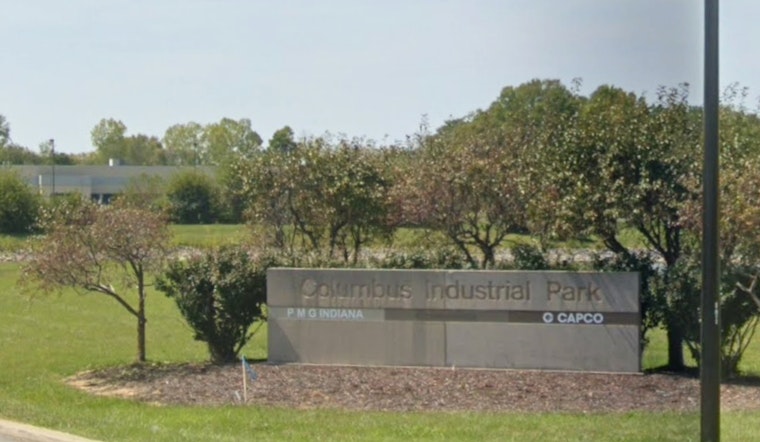
The previous facility had run short on parking, storage, office space and electrical capacity, leaving the department to squeeze essential city operations into a location that no longer matched its workload. The property for the new campus was a former data center purchased by the Columbus Redevelopment Commission in 2024, The Republic reports.
City Council members backed the purchase and retrofit work, along with additional funding for roof and information-technology improvements and a new salt barn. The full project cost was reported at $14.2 million, turning what was once a capacity problem into one of the city’s more substantial behind-the-scenes infrastructure upgrades.
For residents, the practical payoff is not especially flashy—but it is the kind of investment that shows up in smoother sanitation, street and fleet operations. Columbus Public Works now has room to store, fuel, wash and repair the equipment that keeps the city moving, rather than trying to make an aging facility do one more impossible year.





