

























































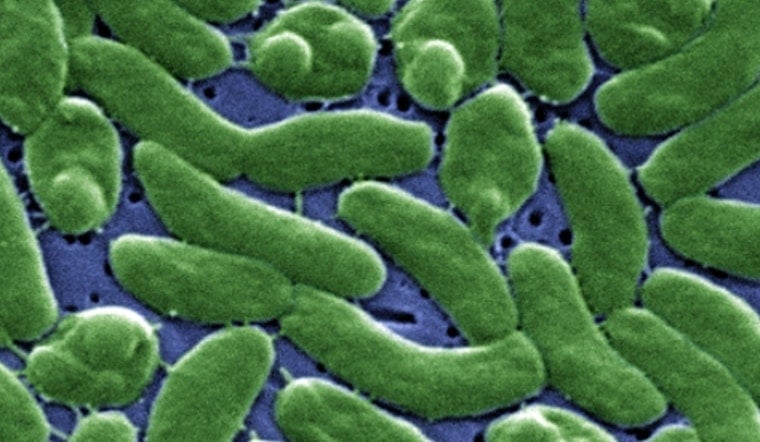
Florida has recorded its third Vibrio vulnificus death of 2026, with state health officials confirming the latest fatality originated in Bay County. The death marks the third such loss reported in less than a month, as the potentially deadly bacteria continues to turn up in coastal waters across the state this summer.
The Florida Department of Health reported that another person died in the state from Vibrio vulnificus, though its data did not clarify which of two Bay County patients diagnosed with vibriosis actually died, according to WFLA. One of the Bay County patients was between 55 and 59 years old, while the other fell between 35 and 39, per the same report. State data also did not include the victims' pre-existing diseases or immune vulnerabilities, leaving open questions about what made this case fatal.
As of August 15, Florida had 17 confirmed Vibrio vulnificus cases for the year, according to Florida Department of Health figures, with fatalities recorded in Palm Beach, Marion, and Bay counties. The cases this year have appeared across a dozen counties, including Polk, Brevard, Broward, Lee, Hillsborough, Miami-Dade, St. Johns, Palm Beach, Marion, Santa Rosa, Okaloosa, and Bay.
How the Bacteria Spreads and Kills
Vibrio vulnificus occurs naturally in warm, brackish seawater, and most infections result from eating raw or undercooked shellfish, the state report notes. Open wounds can also become infected when exposed to seawater carrying the bacteria. According to the Centers for Disease Control and Prevention, roughly 20% of people infected with the bacteria die, often within one to two days of symptoms starting.
The danger multiplies dramatically once the bacteria reaches the bloodstream. Epidemiological reports compiled by Outbreak News Today put the mortality rate for bloodstream infections at approximately 50%, compared with lower fatality rates for localized wound infections caught and treated early. Research published in Clinical Infectious Diseases found that people with chronic liver disease are 80 times more likely to develop a Vibrio vulnificus bloodstream infection and 200 times more likely to die from it than healthy individuals, since impaired liver function prevents the body from clearing the bacteria normally.
A Predictable Summer Surge, With Storms as a Wild Card
Florida has recorded at least two Vibrio vulnificus deaths every year since 2017, and this year's toll of 17 cases and three deaths falls in line with a typical non-hurricane year. That stands in sharp contrast to storm-driven spikes: the state saw 74 cases and 17 deaths after Hurricane Ian in 2022, and a record 82 cases and 19 deaths were likely related to Hurricanes Helene and Milton in 2024, per Florida health officials. Case counts tend to rise after hurricanes or other strong storms, according to the Florida Department of Health, since storm surges push warm, contaminated water into flooded communities. By comparison, 2025 saw 33 cases and five deaths statewide.
Infectious disease specialists at University of Florida Health have noted that Florida coastal waters consistently exceed the temperature threshold Vibrio vulnificus needs to reproduce rapidly between May and October each year, a pattern Hoodline previously reported after Florida's second death of 2026 in Marion County. A 2023 study published in Scientific Reports found that warming ocean temperatures have pushed Vibrio vulnificus infections northward along the Eastern U.S. coast at a rate of 48 kilometers per year between 1988 and 2018, suggesting Florida's cases are part of a broader, climate-driven expansion rather than an isolated local event.
Cases Rising Across the Broader Gulf Coast
The trend is not confined to Florida. Vibrio vulnificus cases have risen across the Gulf Coast region overall this summer, and the Louisiana Department of Health reported nine cases and five fatalities through early August, according to ABC News. National surveillance data covering 2000 through 2022 found that more than 80% of reported cases occurred in men aged 45 and older, a pattern researchers link to higher rates of underlying liver disease and greater occupational exposure to seawater among that group.
Regulators have taken steps to reduce the risk from contaminated shellfish specifically. Florida requires commercial oyster harvesters to place their catch into refrigeration or an onboard ice slurry within two hours of harvest during summer months, according to North Carolina Health News, since ambient summer heat allows bacteria in unchilled shellfish to multiply exponentially. Health officials continue to urge people with open wounds to avoid seawater exposure and to thoroughly cook shellfish before eating it, particularly given the outsized risk faced by those with liver disease or compromised immune systems.





