

























































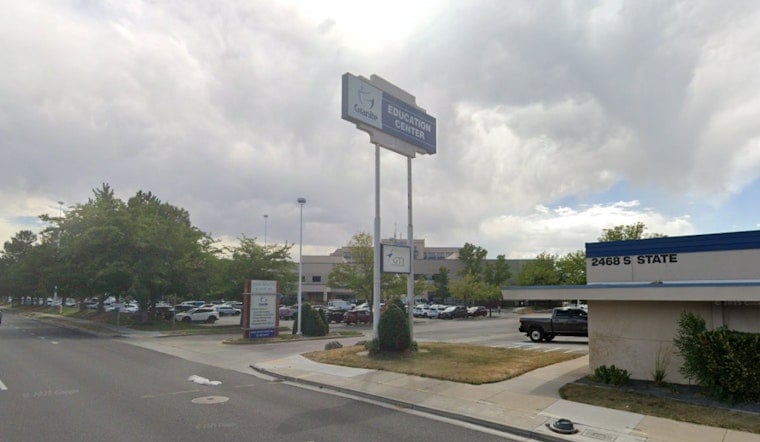
The Granite School District Board of Education voted 6-1 to raise property taxes by roughly 10.26%, a move that will pull in an extra $21 million for the district's operating budget. The decision means an average-assessed home worth $579,000 will see its district property tax bill climb from $1,152.47 to $1,277.62 a year, an increase of $125.15, while a business of equal value will pay $227.55 more annually.
The vote, first reported by FOX 13 News Utah, makes Granite's request the single largest dollar ask among all local taxing entities in the state this year. According to an analysis released August 4 by the Utah Taxpayers Association, 67 municipal, county and special districts across Utah are together seeking a combined $93.58 million in property tax increases for fiscal year 2026-27, and Granite's $21.1 million request tops that list. Granite is also one of 11 local taxing entities statewide holding Truth-in-Taxation hearings for the fourth consecutive year in 2026, a pattern the taxpayers association says has drawn criticism from watchdog groups over recurring operational tax hikes.
Why the District Says It Needs the Money
District officials say rising costs and shifting levels of government funding left them with no alternative. Ben Horsley, a Granite spokesperson, said the district's funding mechanisms have been altered and changed over the last few years, per FOX 13 News Utah's reporting. Business Administrator Todd Hauber told board members during a June 16 meeting that the district would face an immediate $21 million operating shortfall and be forced into immediate budget cuts if the tax increase were not adopted.
The district plans to use the new revenue to provide ongoing services and pay for class-size reduction tied to its reading initiative, according to the same FOX 13 News Utah report. District staff, teachers and parents supported the increase during the process, the station noted.
A Second Attempt After Last Year's Denial
This is not Granite's first swing at a tax hike. The district attempted to raise $17 million from property taxes in 2025, but the Utah State Tax Commission denied that request due to a clerical error, the station reported. That denial was part of a broader crackdown: as reported by KSL TV, the Utah State Tax Commission rejected Granite's prior $17.8 million request along with tax hikes from 34 other local taxing entities statewide in October 2025, citing strict procedural enforcement under state legislation SB 202 and SB 29 rather than substantive budget violations.
Under Utah Code Section 59-2-919, the state's Truth-in-Taxation framework automatically lowers property tax rates as real estate valuations rise, so taxing entities collect the same total revenue as the prior year unless they hold public hearings and secure certification to exceed that certified rate. The Utah Tax Commission still needs to certify Granite's newly approved rate increase before it officially takes effect.
Retirees on Fixed Incomes Say Enough Is Enough
Not everyone at the meeting was on board. Lance Walker, who lives within Granite School District boundaries and does not have children in school, said he should not have to pay school taxes indefinitely. Walker, who is retired and on a fixed income, argued that people over 65 who are retired should not have to pay school taxes at all. Other residents echoed that the increase was simply too much to bear.
That friction lands hardest in the district's lower-income pockets. A February 2026 report from the Kem C. Gardner Policy Institute found median household income in Northwest Salt Lake County, which covers a large share of Granite's boundaries, was $83,303, roughly $11,000 below the countywide median of $94,000 — a gap that helps explain why the increase has hit a nerve among working-class and retired homeowners in cities like West Valley City and Kearns.
Record State Funding, But Restricted Uses
The tax hike arrives even as Utah schools reported record state support elsewhere. Utah public schools received a record $111.3 million distribution from state trust land investments for the 2025-26 school year, including more than $8.7 million allocated directly to Granite, according to the Utah News Dispatch. But state rules restrict those trust land funds to local school community council initiatives rather than central operating deficits, meaning they cannot plug the kind of budget gap Hauber described to the board.
Granite School District serves roughly 67,000 students across 93 schools in Salt Lake County, spanning West Valley City, Millcreek, Taylorsville, Kearns, Magna, Holladay and South Salt Lake, making it one of the largest school districts in the country by enrollment. Hoodline previously reported on backpack giveaways as West Valley families braced for a pricier school year, underscoring the economic pressure many district households are already navigating.
Board Vacancy Adds to the Uncertainty
The tax vote comes as the board also works to fill a vacancy in Board Precinct 1, representing the Holladay and East Millcreek areas, following an unannounced departure. Candidate filings opened in August, with public interviews scheduled for August 25 to appoint a replacement who will take office in January 2027, per the Cottonwood Holladay Times. Whoever fills that seat will inherit a district still managing public pushback over four straight years of Truth-in-Taxation hearings and awaiting final state certification of the newly approved rate.




