

























































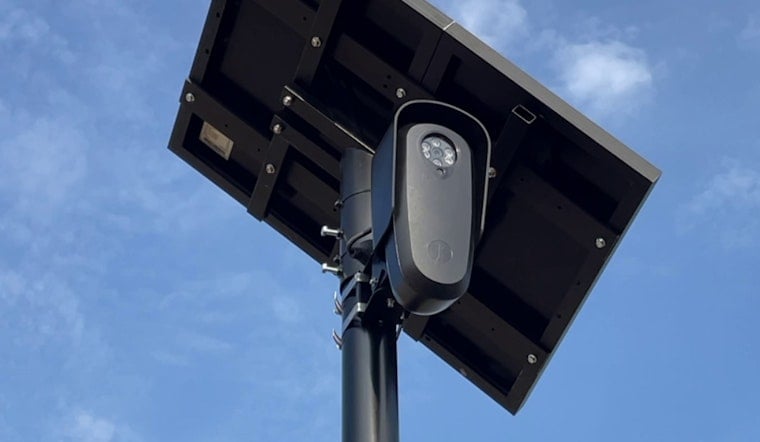
Groton has officially cut ties with Flock Safety, pulling the plug on its automated license plate reader cameras after weeks of internal review by town leaders. The decision makes Groton the latest Massachusetts community to walk away from the surveillance vendor amid a mounting wave of officer misuse scandals and privacy complaints spreading across the state.
Town Manager Mark Haddad and Police Chief Michael Luth said the move followed several weeks of internal review, according to Boston 25 News. Luth acknowledged the cameras had real investigative value, saying they have “been a genuinely valuable tool for officers” and helped solve real cases and keep residents safer. Even so, he said community trust and transparency must come first, and that stepping back gives the community room to build something better together.
A Town Working Group Will Decide What Comes Next
Rather than shutting the door on license plate readers forever, Groton has formed a police camera working group that will bring a permanent recommendation to voters at the spring 2027 town meeting. That timeline gives residents a direct say in whether — and how — the technology returns to town roads.
Groton is not acting in isolation. Multiple Massachusetts towns have terminated their Flock Safety contracts in recent weeks over alleged misuse, privacy, and oversight concerns, part of a pattern documented across the state.
Officer Misuse Cases Fueled the Backlash
The distrust driving these cancellations traces back to a string of officer misconduct cases involving the very technology meant to protect residents. In Stow, Officer Jason Rogers resigned this week, hours before a scheduled termination hearing, after a four-week internal affairs investigation found he improperly used state criminal databases and Flock cameras to track a former partner, according to WBZ NewsRadio. Rogers had been placed on leave in June following a victim's complaint, and police pursued criminal charges against him.
Stow Police Chief Michael Sallese has since forwarded the department's internal affairs report on Rogers to the Massachusetts Peace Officer Standards and Training Commission to review his certification, according to the Shrewsbury Post. The POST Commission, created under Massachusetts police reform legislation, certifies officers statewide and handles administrative discipline for misconduct — meaning Rogers's case could determine whether he ever works in law enforcement again.
Similar Cases Emerged in New Bedford and Lynn
Stow is not the only town grappling with alleged database abuse. In New Bedford, Officer Emily Pacheco was placed on administrative leave in August after an ex-girlfriend filed an abuse prevention order alleging Pacheco used Flock cameras to stalk her, per the Institute for Justice, which tracks law enforcement abuse of license plate reader technology nationwide. Several officers in Lynn, Stow, and New Bedford are now under separate investigations for reportedly using Flock cameras to track residents.
An internal audit by the Lynn Police Department this month uncovered a pattern of unauthorized Flock camera searches, leading to two officers being placed on administrative leave, the same Institute for Justice tracking effort found. Lynn police reportedly launched that review amid heightened statewide scrutiny of police surveillance technology.
Procurement Problems Add Legal Pressure
Privacy concerns aren't the only thing pushing towns away from Flock. In Hopkinton, officials terminated their contract on August 20 after a municipal legal review concluded the vendor agreement failed to comply with state procurement laws, according to HCAM Television. Hopkinton instructed Flock to deactivate its cameras immediately and remove all hardware by September 30.
Auburn and Douglas ended their programs on the same day, August 25, with Auburn citing a similar contractual defect and Douglas pointing to community friction that followed an unknown driver running over and destroying one of its cameras earlier in the month, as reported by Boston 25 News. Littleton moved to terminate its own contract on July 30 after discovering that five license plate reader cameras on public roads had been reactivated without town knowledge, according to the Shrewsbury Post. And in Cambridge, officials canceled their contract in December after technicians installed two unauthorized cameras following a directive to remove the city's existing 16 units, a breach the city described as a violation of the vendor agreement.
Vendor Rolls Out Safeguards Amid Nationwide Pushback
Facing mounting scrutiny, Flock Safety introduced platform-wide safeguard updates on August 13, including cutting its default recommended data retention from 30 days to 7 days, requiring search case codes, and adding automated lockouts for abnormal activity, according to Police1. The company operates more than 120,000 cameras across 49 states, serving more than 5,000 law enforcement agencies.
The retreat from license plate surveillance now extends well beyond Massachusetts. At least 149 local governments nationwide have canceled Flock contracts, deactivated existing systems, or rejected proposed deployments as of late August, according to Newsweek, which cited data from privacy advocacy groups showing growing bipartisan resistance to the technology.
Groton's move follows Hopkinton's contract termination and Douglas ditching its cameras earlier this month, both part of the same regional reckoning over the technology's costs and benefits. For now, Groton's cameras are off, and the town's working group is left to decide, with voters watching, whether license plate tracking has any place in town again.




