

























































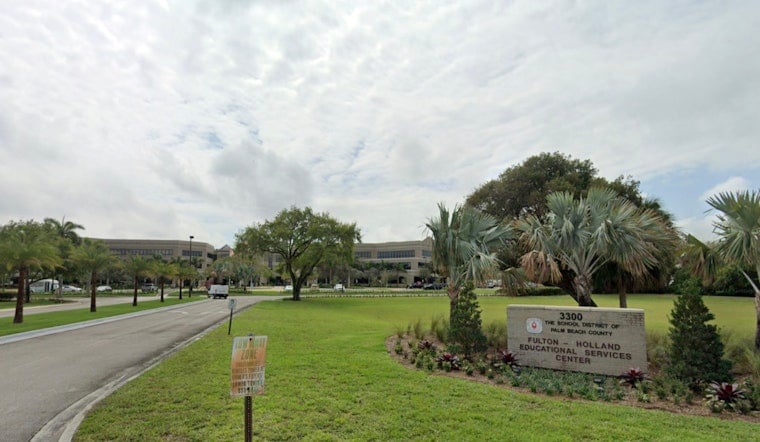
Palm Beach County students who use artificial intelligence to fake classmates, teachers or administrators could soon face far more than a principal’s office lecture. School leaders are considering a policy change that could treat targeted deepfakes as severe incidents, potentially pulling a student from their current campus and sending them to an alternative program.
The proposed language would explicitly cover the creation, distribution or possession of deepfakes and other AI-generated media when the material is used to impersonate, harass, defame, intimidate or bully someone in the school community, according to WPBF 25. The Palm Beach County School Board has not approved the changes; they remain in the workshop phase.
Deepfakes Could Join Palm Beach’s Severe Incident Rules
The issue was discussed during a school board workshop last Wednesday as the district reviews its disciplinary policies for conduct that substantially disrupts schools or threatens the general welfare of students and staff. The district’s public notice lists Policy 5.1817, the Severe Incident Assignment policy, among the rules under review, according to the School District of Palm Beach County.
Under the existing severe-incident process, a principal’s recommendation initially results in a 10-day out-of-school suspension while the case is reviewed. If the district’s Discipline Review Committee determines the conduct qualifies, the student can be withdrawn from their current school and reassigned to an alternative education program, as outlined in district policy.
The proposed change is aimed at misconduct that targets real people, rather than ordinary classroom use of AI. Palm Beach County has separately been developing broader rules for responsible student and employee use of artificial intelligence, with the district saying its AI policy is intended to allow innovation while protecting confidentiality, ethics and professional conduct, according to a district rule notice.
Why Fake Videos Can Create Real Damage
AI tools can now produce convincing fake images, videos and audio that make a person appear to say or do something they never did. The proposed policy is meant to address situations in which students use that technology to manufacture misconduct by educators, create conflicts between classmates or make another student appear responsible for behavior that never happened, as WPBF 25 reports.
The consequences can become especially serious when altered images are sexualized or used to threaten a victim. The National Center for Missing & Exploited Children’s Take It Down service allows people who were under 18 when explicit images were made to create a digital hash that participating public or unencrypted platforms can use to detect and limit the spread of matching material, without uploading the image itself.
South Florida Is Already Seeing The Stakes
The concern is not limited to school discipline. In July, Broward County investigators arrested a Parkland man accused of using an AI tool to create 29 sexual-abuse images involving girls who appeared to be between 5 and 9 years old, according to Local 10 News.
That case involved an adult suspect and alleged criminal conduct, while Palm Beach County’s proposal concerns student discipline. But the regional example underscores why schools are trying to define the line between careless digital behavior, targeted harassment and conduct serious enough to trigger alternative placement.
For now, the district’s public Code of Student Conduct remains the place where families can review current disciplinary procedures. If the proposed language advances, Palm Beach County students and parents will have to navigate a new reality: A fabricated clip may be fake, but the school consequences could be very real.



