

























































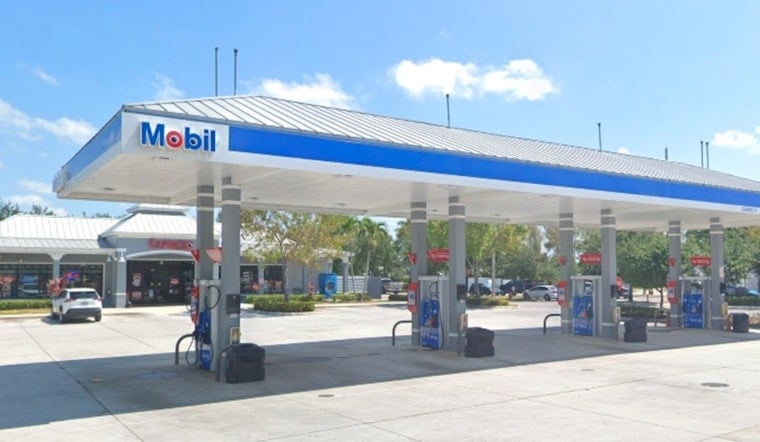
Ellie Ferguson pulled into a Mobil station in Westlake, Florida, selected 93-octane premium, and pumped nearly 14 gallons into her Lexus. About 15 minutes into her drive, the engine shut down. Dealership mechanics later found diesel fuel in her tank, and the vehicle needed a complete engine replacement costing $26,000.
Ferguson told WPTV she unknowingly filled up with diesel from what she believed was a premium gasoline pump at the station, located at the intersection of Persimmon Boulevard and Seminole Pratt Whitney Road. She said she put 93-octane gasoline in her car, only to watch it die on the road shortly after leaving the pump. Other drivers have reported similar problems after buying premium gasoline from the same station, according to the outlet, and the Westlake community Facebook page contains multiple posts complaining of identical fuel-related issues.
The station's management called Ferguson afterward and confirmed the station was aware of the fuel problem, per the same account. A manager at the station said steps were being taken to address the issue but did not provide written confirmation when station management instructed Ferguson to file an insurance claim against the station, leaving that commitment as a verbal one for now.
Why Diesel Wrecks a Gas Engine
Todd Bender, a manager at Angel's Autobody, said diesel fuel can be catastrophic for an engine. Automotive guides from Kelley Blue Book explain why: diesel coats spark plugs, clogs fuel injectors, and can damage catalytic converters because the thicker fuel fails to combust properly under a gasoline engine's spark ignition system, which is built for a different kind of fuel entirely. In the best-case scenario, diesel in a gasoline vehicle causes poor engine operation; in the worst case, it can cause motor lockup, hydrolock, and internal damage severe enough to require full engine replacement, which is what happened to Ferguson's Lexus.
The financial gap between those two outcomes is enormous. According to repair-cost comparisons from AutoZone, simply draining and flushing a misfueled tank before the engine ever starts typically runs $200 to $500. But once a driver gets on the road and the engine fails, costs can climb into the thousands, or in Ferguson's case, tens of thousands of dollars for a new engine.
Who's on the Hook for the Damage
An ExxonMobil spokesperson said the company does not own or operate retail stations in Florida and recommended contacting the station owner or branded wholesaler for comment. That tracks with how ExxonMobil's retail network functions broadly: the company licenses the Mobil brand to independent wholesalers and dealers who own and run individual stations under supply agreements, rather than corporate ownership of each location.
That licensing structure is central to the question of who ultimately pays. Under Florida commercial premises principles outlined by the Avard Law Offices, gas station operators owe a duty of care to customers, and establishing liability for damage often hinges on proving the operator had notice of the hazard. Station management's acknowledgment that it knew about the fuel problem could become relevant if the dispute over Ferguson's repair bill escalates.
State Regulators Watching Fuel Quality
The Florida Department of Agriculture and Consumer Services regulates fuel pumps and can issue immediate Stop Sale orders on petroleum products that fail quality standards under state administrative rules. WPTV reporter Michael Hoffman was awaiting official complaint data from the agency regarding the Westlake station and had contacted FDACS about how many formal complaints have been filed. The outlet says it plans to keep investigating how diesel ended up in a gasoline pump, how many drivers were affected, and who will ultimately be held responsible for the damage, and intends to continue pressing the station's owner for a response.
Florida drivers who suspect they have pumped contaminated fuel can file a report at complaints.fdacs.gov or call 1-800-HELP-FLA, which sends state inspectors to collect and test samples. That kind of testing has mattered before: in a 2021 Orlando case, FDACS confirmed a pump was dispensing 99% water instead of fuel, causing nearly $13,000 in damage before the station owner agreed to cover repairs, according to WKMG News 6.
Part of a Wider Florida Pattern
Westlake's troubles echo a string of similar incidents Hoodline has tracked across Florida this year. A Holly Springs Valero pumped fuel mechanics said was 90% water, and seven Circle K stations across Southwest Florida shut down pumps in May after supplier contamination caused engine stalling and misfires. Industry sources point to tanker delivery errors known as cross drops, in which a fuel distributor accidentally unloads the wrong fuel type into an underground storage tank, as a common cause of diesel turning up in gasoline pumps.
Westlake itself is a young, fast-growing city, incorporated in 2016 as Palm Beach County's 39th municipality on 3,800 acres. Its population has surged from 906 residents recorded in the 2020 Census toward an estimated 9,000 or more, growth that has pushed demand for commercial services, including gas stations, in the area. For now, Ferguson is left facing a $26,000 repair bill with only a verbal assurance from station management that she should file an insurance claim, and no written confirmation of that instruction on record.





