

























































Three Clarion Alley murals were painted over during the Aug. 24 incident, and a fourth mural was partially destroyed, damaging decades of community artwork in the Mission District alley. Among the affected works were a 2016 memorial to activist Kirsten Brydum by artist John Viola, a 2015 tribute to Adobe Books by Daniel Doherty, a mural honoring graffiti artist Chloe (Marfa) by Floyd, and a piece created through Graffiti Camp for Girls, a nonprofit that teaches young girls to create public art.
The Clarion Alley Mural Project reported that several murals were painted over that day, according to NBC Bay Area. Doug Rhodes said he witnessed a man rolling white paint over the works and confronted him, eventually getting the worker to stop. The worker told Rhodes his boss had instructed him to paint over the murals. Rhodes said afterward that people should perform due diligence before painting over art.
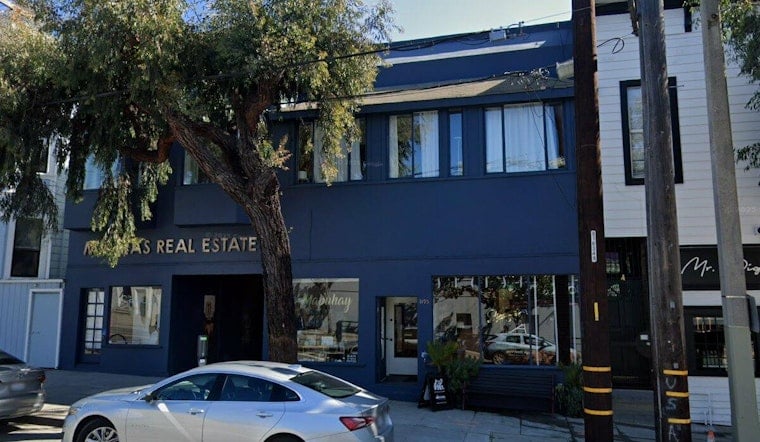
Makras Real Estate Group, the management company associated with the property, sent a team to remove graffiti, per the same account. The company said it was unaware of the incident until the Clarion Alley Mural Project alerted it, according to an email exchange described in the report. The property owner had received a call regarding graffiti, though CAMP representatives said they received no warning before the incident.
An Artist Rebuilds What Took Hours to Create
Nyia Luna, an artist with Graffiti Camp for Girls, painted one of the destroyed works in 2026. She said the destruction was painful because of the hours she had spent designing the mural. Luna has since spent more than six hours and about $100 creating a replacement piece.
Imani Outen, a local worker, said the loss affected the history of activism, diversity and the area's legacy. Clarion Alley sits between 17th and 18th streets and Mission and Valencia streets, an alley that contains dozens of murals addressing social justice and equity and draws locals and visitors from across the globe.
CAMP's Nearly 35-Year Run in the Alley
The Clarion Alley Mural Project has existed since 1992, when it was founded by six local artists and residents, including Aaron Noble and Rigo 23, who drew direct inspiration from the 1970s social-justice mural movement in nearby Balmy Alley, according to KQED. Over its history the project has created more than 900 murals, and it has built relationships with various landlords to paint murals throughout the alley. Ivy Jeanne, a co-director of the Clarion Alley Mural Project, said the organization is well established and that the works were known not to be graffiti. Jeanne said CAMP is looking into options to protect the art going forward.
The group has launched a $35,000 fundraising campaign to mark its upcoming 35th year, with proceeds intended to support its ongoing community efforts. CAMP says it plans to continue flourishing despite the setback.
A Legal Backdrop of Moral Rights Protections
A Legal Backdrop of Moral Rights Protections Any restitution push would unfold against a backdrop of federal and state law protecting recognized murals from destruction. Under the federal Visual Artists Rights Act of 1990, building owners attempting to remove or destroy integrated public visual artwork of recognized stature must give the artist 90 days' written notice to remove or salvage the work when the work was incorporated after VARA's effective date, removal is possible without harming the work, and the owner has made a diligent, good-faith effort to locate the artist, unless the artist signed a written waiver, according to Oregon Volunteer Lawyers for the Arts. California's own Art Preservation Act, codified in Civil Code Section 987 since 1979, protects fine art from intentional defacement or destruction, per SF.gov. The U.S. Copyright Office says the federal protection against destruction under VARA is limited to works of visual art of “recognized stature.”
Those protections exist alongside a separate set of pressures pushing property owners toward rapid paint-overs. San Francisco Public Works spends more than $20 million annually on graffiti abatement and enforces Public Works Code Article 23, which requires private property owners to remove graffiti within 30 days or face fines starting at $362 plus city cleanup costs, the department has said. At the same time, the city's own courtesy graffiti abatement program guidelines specifically exclude the restoration or repair of tagged murals and involve notifying property owners.
Not the First Mistaken Paint-Over in the Mission
Not the First Mistaken Paint-Over in the Mission This is not the first time enforcement pressure has collided with mural preservation in the neighborhood. In November 2025, city graffiti abatement crews mistakenly painted over the historic, 20-year-old Valencia Art Wall on the Mission District's former police station at 1240 Valencia Street after the building owner enrolled in the city's anti-graffiti program following repeated citations, Mission Local reported. The available account does not establish details of a separate June 2020 incident.
The available reporting does not establish details of a separate mural dispute in San Francisco.
Makras Real Estate's role also arrives with its own history. Victor Makras, principal of Makras Real Estate, was convicted in federal court in August 2022 of bank fraud and making false statements to a lender in connection with a San Francisco municipal corruption probe involving former city officials, according to the SF Standard. Whether that history bears on the Clarion Alley incident is not addressed in available reporting, and it remains unclear whether the property owner received a formal violation notice from the city before Aug. 24 or whether CAMP and the affected artists intend to pursue civil remedies under VARA or the state's Art Preservation Act.




