

























































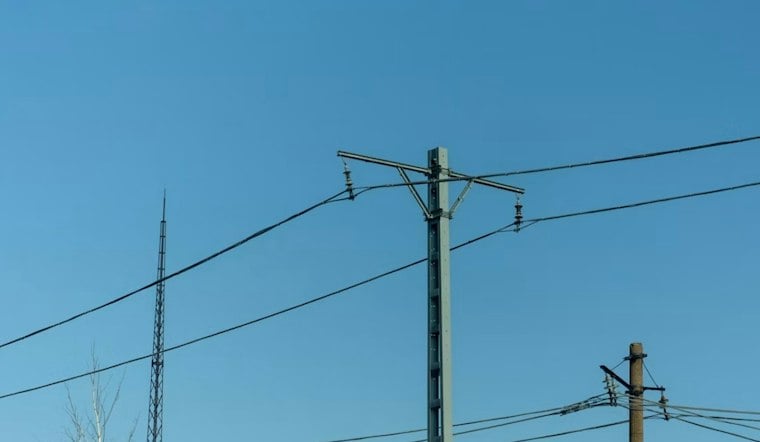
A car slammed into a utility pole in Brookline, New Hampshire, around 2 p.m. Wednesday, snapping the pole and sending high-voltage lines crashing down onto the vehicle while trapping the driver inside. As if that weren't dangerous enough, a swarm of yellowjackets was also present, making an already precarious rescue even harder for the crews who responded.
Wires Down, Driver Trapped
Fire officials said the utility pole and live wires fell directly onto the vehicle after the crash, according to WMUR. The extent of the driver's injuries remains unclear, per the station's report. First responders on scene said the combination of energized wires and a swarm of angry insects made the rescue significantly more difficult, a detail confirmed by the same account.
The incident unfolded on Wednesday, September 9. The linked NH News Now post is not accessible. Firefighters were forced to wait for Eversource technicians to de-energize the power grid before they could safely reach the driver. Once the lines were confirmed dead, crews stabilized the car using rescue struts and extricated the trapped driver within minutes.
Why Responders Couldn't Just Pull the Driver Out
The delay wasn't a matter of caution for its own sake. Eversource's electrical safety guidelines advise that anyone inside a vehicle touched by downed wires stay put unless the car catches fire, because electricity can spread outward through the ground in expanding rings known as step potential, according to Eversource. Stepping onto energized ground can complete a circuit through a person's body, which is why crews had to hold back until the lines were confirmed dead.
Eversource's emergency procedures also spell out what to do if a fire does break out: occupants should jump completely clear without touching the vehicle's frame, land with both feet together, and then shuffle away without lifting their feet, keeping both feet on the ground at once to equalize electrical potential across the body.
A Swarm With Nowhere to Go
The yellowjackets that swarmed responders were not incidental. Agricultural entomologists note that yellowjacket colonies reach their maximum size and peak aggressiveness during late summer and early autumn, from August through October, according to Almanac.com, as shrinking natural food sources and large broods make the insects especially defensive this time of year.
The crash scene included a swarm of yellowjackets. Disturbing a yellowjacket nest can prompt the insects to defend it, according to the Farmers' Almanac.
A Small Department Leaning on Its Neighbors
Handling a hazardous extrication of this scale involved multiple responders.
The response involved multiple responders.
How This Crash Fits a Broader Pattern
Crashes involving utility poles can create dangerous conditions on American roads. New Hampshire traffic fatalities provide broader context, but the specific cause of the Brookline crash has not been disclosed.



