

























































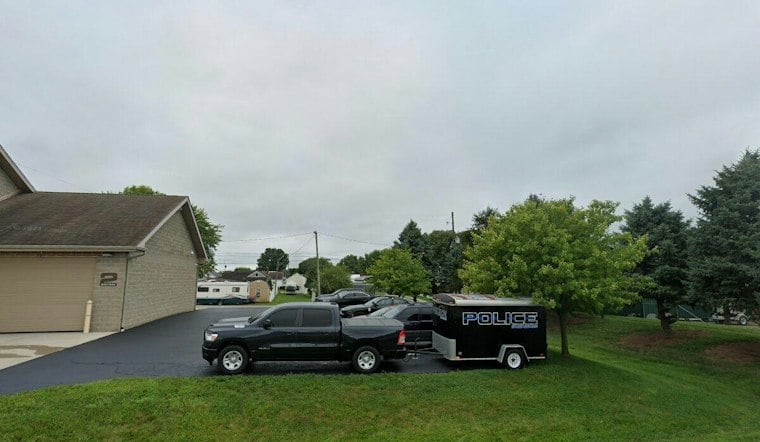
A 16-year-old Greensburg boy is recovering after being shot at North Park on Friday, Sept. 18. The bullet entered his neck and exited through his back, coming within an inch of his spine, according to Fox 59. The teen, identified as Konnor Fogle, was taken for medical treatment and returned home less than a day later.
Greensburg police said the shooting followed a verbal dispute earlier that day. One juvenile was arrested, but authorities did not release the suspect's name because of the suspect's age, Fox 59 reported. Police said there was no known continuing threat to the community and asked anyone with information to contact the department.
Fogle's father, Brian, told Fox 59 that the teenagers knew one another and that an earlier disagreement had preceded the shooting. He urged parents to pay closer attention to their children's conflicts and access to firearms. Those accounts provide family perspective, but the publicly reported information does not establish how the weapon was obtained, whether an adult supplied it, or whether anyone besides the arrested juvenile will face charges.
What older firearm-trace research can—and cannot—show
The available national context is historical rather than a current measure of Indiana youth gun violence. An archived Office of Juvenile Justice and Delinquency Prevention publication, citing Bureau of Alcohol, Tobacco and Firearms follow-up investigations conducted from November 1993 through June 1994, reported that 27% of juveniles in 712 firearm-trace investigations had been given guns by someone other than a parent or guardian.
That figure describes the source of firearms in an old, selected group of trace investigations—not all juvenile firearm possession, not Indiana specifically, and not the circumstances of the North Park shooting. It therefore cannot establish a present-day trend or indicate who provided the gun in this case. Investigators would need case-specific evidence, such as witness accounts, firearm tracing and charging documents, to answer those questions.
Indiana law and the unresolved questions
Indiana law can impose liability on a parent or legal guardian who knowingly, intentionally or recklessly allows a minor to possess a firearm while aware of a substantial risk that the child will use it to commit a felony, according to the Giffords Law Center's summary of Indiana law. Whether that or any other statute applies depends on facts that have not been made public.
The immediate case remains focused on the juvenile arrest, the injured teenager's recovery and the investigation into the earlier dispute. The available reporting does not resolve the motive, the firearm's source or the eventual legal outcome. Those details should be treated as open questions rather than inferred from broader research about youth access to guns.





